About the Project
The illicit drug supply in the United States is changing faster than current surveillance systems can track. Today’s overdoses often involve complex combinations of opioids, stimulants, novel psychoactive substances, and adulterants, contributing to record-high mortality. Traditional hospital toxicology testing rarely detects these emerging substances, leaving critical gaps in our understanding of what is driving overdoses.
The ToxIC Substance Checking and ANalysis of New and Evolving Drugs (SCANNED) Overdose Surveillance Program addresses this gap by bringing together advanced laboratory toxicology, emergency department data, and national drug-checking resources. Using residual urine and serum specimens collected during routine emergency care, ToxIC SCANNED performs comprehensive re-testing capable of identifying more than 1,200 drugs and metabolites, providing an unparalleled real-time look into the drugs harming communities.
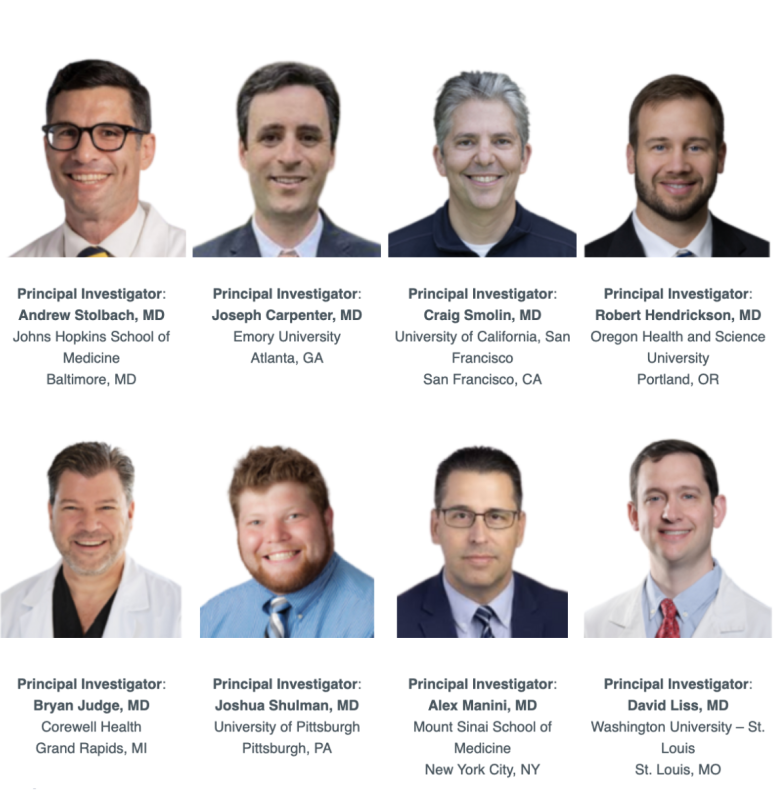
Across eight geographically diverse hospital sites, the program:
- Analyzes residual emergency department specimens to detect emerging drugs involved in overdose presentations.
- Links patient toxicology results with community drug-checking data from the Center for Forensic Science Research and Education (CFSRE) and the National Institute of Standards and Technology (NIST) to compare drug products with de-identified patient toxicology results .
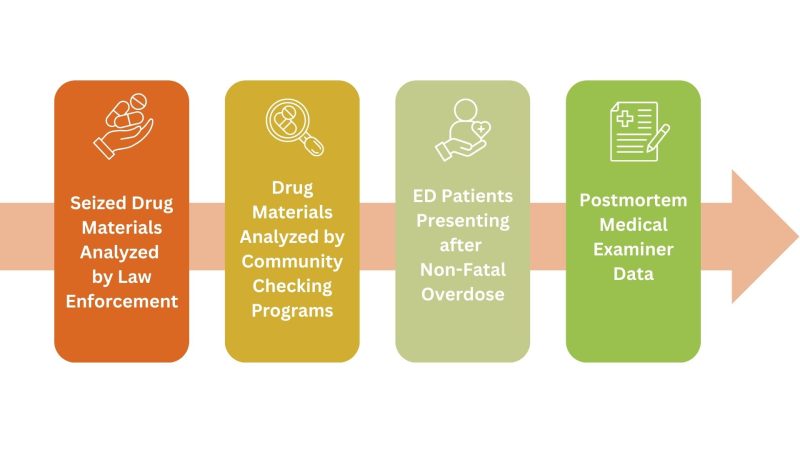
- Examines patterns by geography, patient characteristics, and clinical outcomes, integrating fatal overdose data and national forensic laboratory findings.
By connecting multiple complementary data streams – from biological specimens to seized drug analyses – ToxIC SCANNED generates the most comprehensive picture to date of the evolving U.S. drug market. These insights will strengthen overdose prevention strategies, improve clinical and public health responses, and inform evidence-based policy at a time when rapid innovation is urgently needed.
Site Investigators
Funding
Funding for this initiative was made possible by the White House Office of National Drug Control Policy.
Principal Investigators
Paul Wax, MD, DFACMT
Executive Director,
American College of Medical Toxicology

Jeffrey Brent, MD, PhD, DFACMT
Distinguished Professor, University of Colorado School of Medicine
Rachel Culbreth, PhD, MPH
Research Director, Toxicology Investigators Consortium