
2026 ACMT Risk Assessment & Risk Communication Bootcamp
March 19, 2026
Hilton Boston Park Plaza
Boston, MA
#ACMT2026
Important Dates
Early-Bird Registration Deadline
February 6, 2026
AACT Pop Tox Symposium
March 18, 2026
ACMT Toxicosurveillance Symposium
March 19, 2026
ACMT Risk Assessment & Risk Communication Bootcamp
March 19, 2026
#ACMT2026 Main Conference
March 20-22, 2026
Quantifying Risk – The Facts
Communicating Risk – The Feelings
Join the American College of Medical Toxicology (ACMT) on Thursday, March 19, 2026 for the 2026 ACMT Risk Assessment & Risk Communication Bootcamp | Quantifying Risk – The Facts, Communicating Risk – The Feelings at the Hilton Boston Park Plaza, in Boston, MA.
Join the American College of Medical Toxicology (ACMT) for a full-day, skills-focused pre-symposium that pairs the science of human health risk assessment with the art of effective risk communication. Designed for medical and clinical toxicologists, participants will walk through how environmental and regulatory risk assessment frameworks are applied in practice—and how to translate those complex assessments into clear, trustworthy conversations with patients, communities, and other stakeholders. While the content is geared to medical toxicologists, public health professionals will benefit from this training as well. Public health practitioner participation will enhance the training and allow for medical toxicologists and public health to learn from each other.
The morning session will highlight how federal and state agencies (e.g., USEPA, FDA, state health departments) evaluate chemical exposures in settings such as hazardous waste sites, workplaces, homes, diet, and drinking water. Participants will see how risk assessors derive and use toxicity values, screening levels, and guideline values for contaminants like pesticides, heavy metals (e.g., lead, arsenic), and PFAS, and how uncertainty, variability, multiple-chemical exposure, and sensitive populations are handled in real-world decisions.
The afternoon session will shift to the psychology and practice of risk communication. Using research on risk perception, emotion, and trust, faculty will explore why “just the facts” approaches so often fail—and what to do instead. Through discussion and a worked example, participants will practice planning and executing a risk communication effort that both respects people’s feelings and improves understanding of risk-related choices.
Learning Objectives:
- Describe and apply environmental and public health risk assessment frameworks used by agencies (e.g., USEPA, FDA, state health departments), including the distinction between hazard and risk assessment, development of toxicity values, and use of screening/guideline values while accounting for uncertainty, multiple chemicals, and sensitive populations.
- Explain key insights from cognitive psychology on risk perception—why people’s fears may not align with quantitative estimates of risk, and why “facts-only” communication often fails without attention to feelings, context, and trust.
- Apply practical strategies for planning and carrying out effective risk communication efforts in medical and clinical toxicology and public health settings.
Continuing Education: Continuing Medical Education (CME) and Continuing Pharmacy Education (CPE) and credits are available for this activity. It is expected that learners will receive up to 5.25 credits for learning and change.
Agenda at a Glance
All times listed in local, Eastern Time.
For more information and the most up to date Agenda, learn more here.
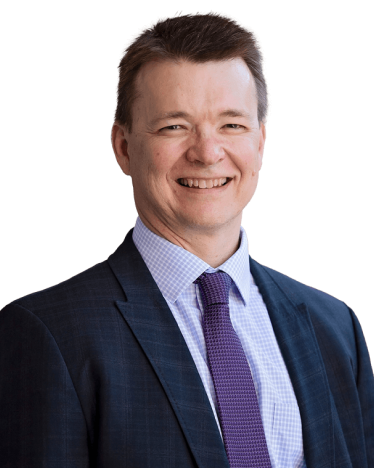
Philip Goodrum, PhD, DABT
Dr. Philip Goodrum is a Principal Toxicologist at GSI Environmental with nearly 30 years of experience in quantitative risk assessment and environmental modeling. His expertise spans human health and ecological risk assessment, sediment remediation, groundwater compliance monitoring, and natural resource damage evaluation. A recognized national leader in probabilistic risk assessment and lead exposure modeling, Dr. Goodrum has served as a trusted advisor to government and private sector clients, contributed extensively to peer-reviewed literature, and provided expert testimony in environmental litigation. His work also addresses emerging contaminants such as PFAS and 1,4-dioxane in drinking water. In addition to his consulting practice, Dr. Goodrum teaches Environmental Risk Assessment as a visiting adjunct professor at the SUNY College of Environmental Science and Forestry.
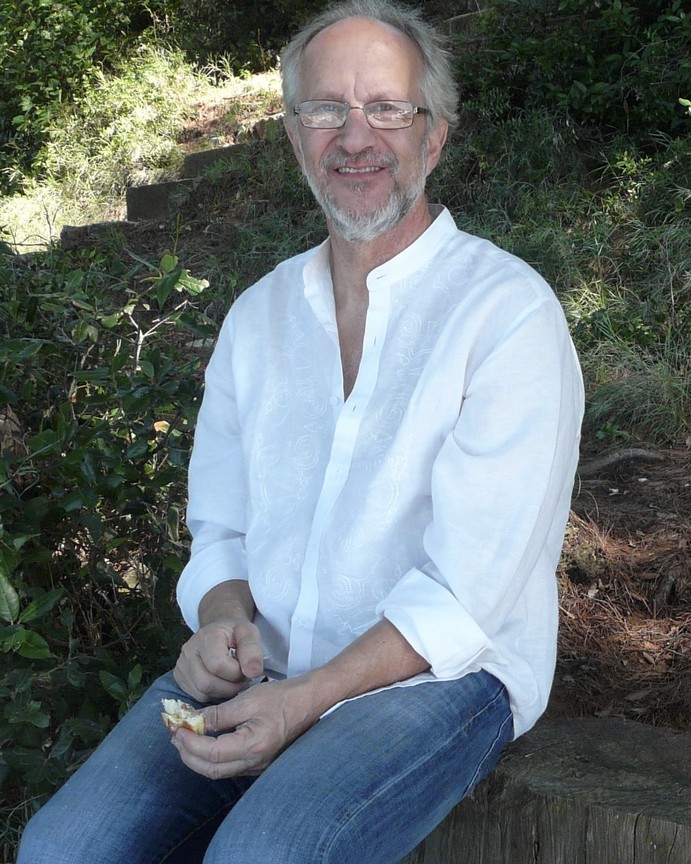
David Ropeik
David Ropeik is retired Harvard Instructor, author, and potter. He taught risk communication at the Harvard School of Public Health and “Critical Thinking About Environmental Issues” in the Harvard School of Continuing Education. He is widely published in both the general and academic press on risk issues and risk perception. He is author of Curing Cancer-phobia How Risk, Fear, and Worry Mislead Us, How Risky Is It, Really? Why Our Fears Don’t Always Match The Facts and lead co-author of Risk!!! A practical guide for deciding what’s really safe and what’s really dangerous in the world around you.
From 1978-2000 he was a broadcast journalist in Boston, twice winning the DuPont Columbia Award, often referred to as the Pulitzer Prize of broadcast journalism, as well as four Emmy awards. He was a Knight Science Journalism Fellow at MIT, 1994-5. He was a founding member of the Board of Directors of the Society of Environmental Journalists.
David Ropeik
David Ropeik is retired Harvard Instructor, author, and potter. He taught risk communication at the Harvard School of Public Health and “Critical Thinking About Environmental Issues” in the Harvard School of Continuing Education. He is widely published in both the general and academic press on risk issues and risk perception. He is author of Curing Cancer-phobia How Risk, Fear, and Worry Mislead Us, How Risky Is It, Really? Why Our Fears Don’t Always Match The Facts and lead co-author of Risk!!! A practical guide for deciding what’s really safe and what’s really dangerous in the world around you.
From 1978-2000 he was a broadcast journalist in Boston, twice winning the DuPont Columbia Award, often referred to as the Pulitzer Prize of broadcast journalism, as well as four Emmy awards. He was a Knight Science Journalism Fellow at MIT, 1994-5. He was a founding member of the Board of Directors of the Society of Environmental Journalists.
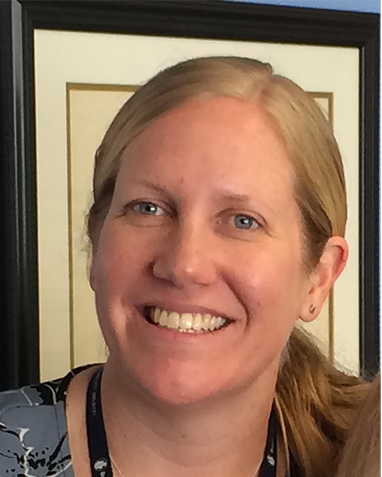
Diana Felton, MD
Dr. Diana Felton is board certified in emergency medicine and medical toxicology. She has recently taken over as Chief of the Hawaii Department of Health’s Communicable Disease and Public Health Nursing Division. Prior to that, she was the State Toxicologist with the Hawaii Department of Health Hazard Evaluation and Emergency Response (HEER) Office.
She worked with many state, federal, and community partners on issues such as childhood lead poisoning prevention, safe fish consumption, air pollution risks, pesticides, and other environmental health hazards. She is a member of the Hawaii Advisory Committee on Drug Abuse and Controlled Substances and EPA’s Children’s Health Protection Advisory Committee.
She is a proud graduate of the University of California, Berkeley, attended medical school at the University of California, Davis, and completed her emergency medicine residency at Beth Israel Deaconess Medical Center in Boston, Massachusetts. Fellowship training was completed at the Harvard Medical Toxicology Fellowship at Boston Children’s Hospital in conjunction with the Massachusetts and Rhode Island Poison Control Center.
Full Agenda
All times listed in local, Eastern Time.
| 8:45 AM – 9:00 AM | Welcome & Opening Remarks | |
| 9:00 AM – 11:30 AM | Risk Assessment Overview for Medical and Clinical Toxicologists | Philip Goodrum, PhD, DABT, Principal Toxicologist, GSI Environmental |
| 11:30 AM – 1:00 PM | Lunch Break (90 min) | |
| 1:00 PM – 2:30 PM | Risk Communication Overview for Medical Toxicologists | David Ropeik, Risk Communication Expert, Retired Harvard Instructor, Author |
| 2:30 PM – 2:45 PM | Break (15 min) | |
| 2:45 PM – 3:45 PM | Exercises, Q&A, and Discussion | David Ropeik, Risk Communication Expert, Retired Harvard Instructor, Author |
| 3:45 PM – 4:00 PM | Debrief Session | Diana Felton, MD, Division Chief, Hawaii State Department of Health |
| Closing Remarks |