

2026 ACMT Seminar in Forensic Toxicology January 20, 2026 – January 21, 2026 | Virtual
Join ACMT for the 2026 ACMT Seminar in Forensic Toxicology | Complexities in Testing, Interpretation, Litigation and Expert Testimony! Created in partnership with The Center for Forensic Science Research & Education (CFSRE), this two-day, live virtual event on January 20-21, 2026 is designed to prepare professionals for the unique challenges of applying toxicology in both courtrooms and laboratories.
Across both days, participants will explore the intersection of science, medicine, and law, gaining knowledge from experts in their field. From navigating Frye and Daubert standards, to evaluating emerging substances like kratom and xylazine, this seminar is tailored to the realities of modern forensic toxicology, both inside the courtroom and in the laboratory.
With scientific analysis and exciting case panels, you will get practical strategies for interpreting evidence, preparing testimony, and building professional consulting practices. Live Q&A, interactive panels, and on-demand access (available for 90 days after the seminar) will create a flexible and dynamic learning experience.
Target Audience: Physicians, toxicologists, analytical chemists, medical review officers, nurses, pharmacists, scientists, attorneys, law enforcement, and public health specialists.
Continuing Education Credits - Up to 13 Hours of CE! Earn up 13 hours of CE credits for physicians and pharmacists as you expand your expertise in forensic toxicology and expert testimony- all included in your registration fee!

Agenda at a Glance
All times listed in Eastern Time.
For more information and the most up to date Agenda, learn more here.
Day 1: In the Courtroom | Complexities in Litigation and Expert Testimony
Charles McKay, MD, FACMT
Dr. McKay was trained in Anatomic and Surgical Pathology, Internal Medicine, Emergency Medicine, Medical Toxicology and was a Medical Director of Occupational Health and Medical Review Officer for a hospital system during more than 30 years of clinical practice, during which he provided toxicology consultation at 3 hospitals, directed a medical toxicology fellowship training program, and provided medical oversight of a regional poison control center. He provides medical legal consultation across the country on toxicology-related issues, and has testified in nearly 100 cases, many related to questions of alcohol- and drug-induced impairment.
Teri Stockham, PhD
Dr. Teri Stockham is a respected consultant, author and lecturer in the field of forensic toxicology. Over the past three decades, she has gained extensive education, training and experience both in the laboratory and the courtroom. The three degrees Dr. Stockham earned have all been focused in the specialty of forensic toxicology. She holds a Ph.D. from the Medical College of Virginia, and a Master’s degree from The George Washington University. She graduated Magna Cum Laude from Indiana State University. Her laboratory training, including the role as Chief Toxicologist for Broward County, Florida, complements her education and expertise. Dr. Stockham is experienced on the witness stand and has testified hundreds of times.
Dr. Stockham serves as a consultant to a number of law firms, providing her expertise for various court cases involving personal injury, insurance defense, probation/parole, court martial, DUI, workers compensation, child custody and drug-facilitated sexual assault. Her forensic toxicology services have encompassed a large number of clients who represent insurance companies, individuals, government agencies and healthcare providers.
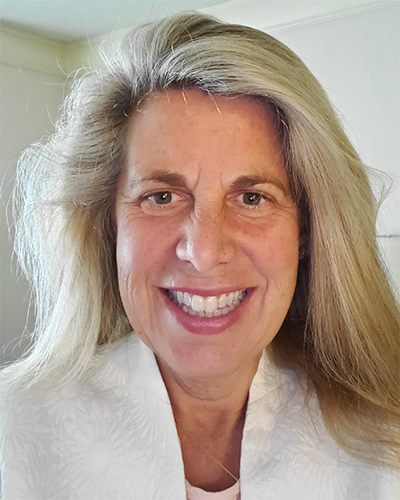
MJ Menendez, JD
M.J. Menendez, J.D. is Senior Fellow and General Counsel for the Center for Forensic Science Research and Education in Willow Grove, Pennsylvania. M.J. served on detail as the Department of Justice’s Organized Crime Drug Enforcement Task Forces Heroin, Opioid and Fentanyl Special Projects Coordinator from 2015 to 2019. M.J. served 13 years as an Assistant U.S. Attorney in Colorado, 10 years as a state prosecutor in Jefferson County, Colorado, and 3 years as a state court judge in Jefferson County, Colorado. M.J. is passionate about achieving well-resourced excellence in medicolegal death investigations, and she proudly works with the National Association of Medical Examiners as Chair of Strategic Planning and Chair of the Forensic Pathology Shortage / Workforce Remediation Subcommittee.
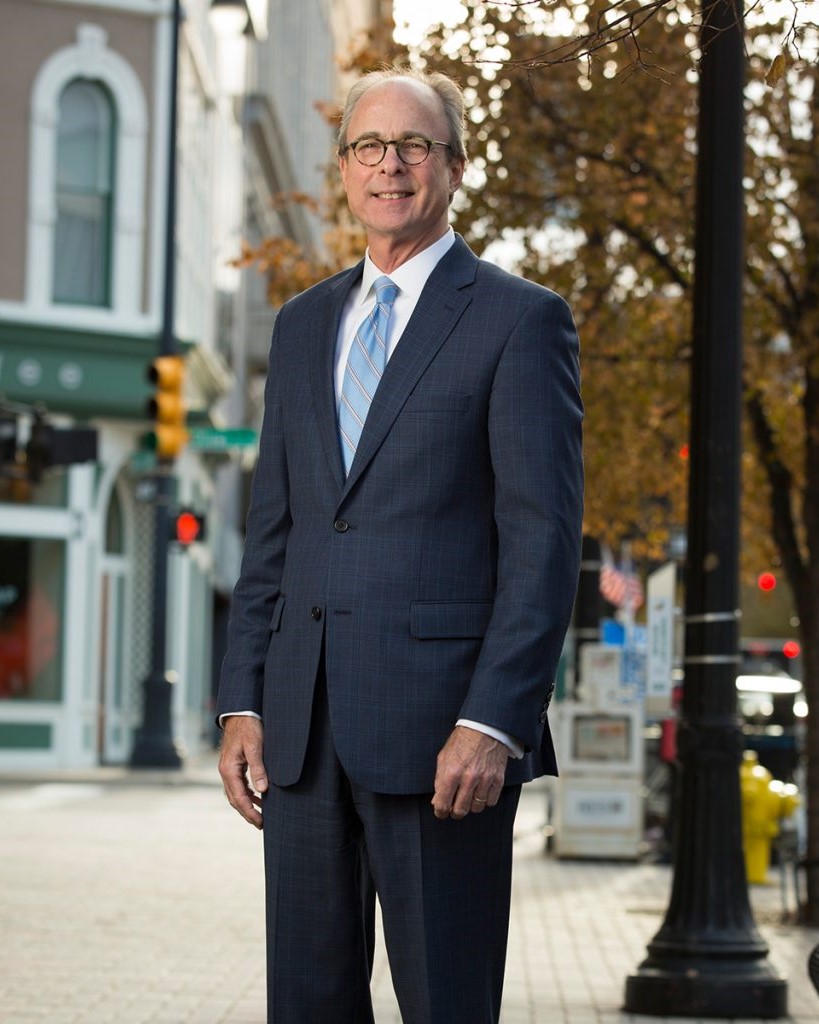
E. Thomas McCarthy, Jr., JD
E. Thomas McCarthy, Jr. is a trial lawyer with more than 45 years of courtroom experience and a Fellow of both the American College of Trial Lawyers and the International Academy of Trial Lawyers. Recognized by Best Lawyers in America in multiple practice areas, he has extensive expertise in cases where expert testimony is central. Tom earned his B.A. in Psychology with High Distinction from the University of Michigan and his J.D. from the University of Tennessee, and he has completed advanced training in mediation and negotiation at Harvard Law School. He is admitted to practice before the State Bar of Michigan and multiple U.S. District Courts, and he frequently teaches trial advocacy with a focus on the effective use and interpretation of expert witnesses.
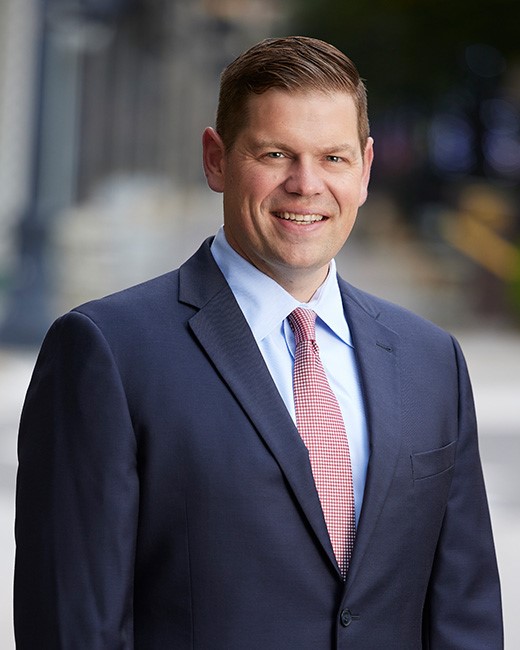
Matthew L. Wikander, JD
Matthew Wikander is a shareholder and the chief executive officer of his firm, where he focuses his trial practice on commercial, product liability, and wrongful death/personal injury litigation. He has extensive experience handling complex, high-exposure matters in both federal and state courts across Michigan, including catastrophic injury, products liability, and aviation, construction, and premises cases. Matt also represents businesses and individuals in commercial disputes involving ADA accessibility, employment discrimination, trade secrets, and unfair trade practices, with additional experience in class action litigation. He earned his B.A. from the University of Michigan and his J.D. from Wayne State University, where he served as Vice Chancellor of the Moot Court Program. He is admitted to practice before the State Bar of Michigan, the U.S. District Courts for the Eastern and Western Districts of Michigan, and the U.S. Court of Appeals for the Sixth Circuit.
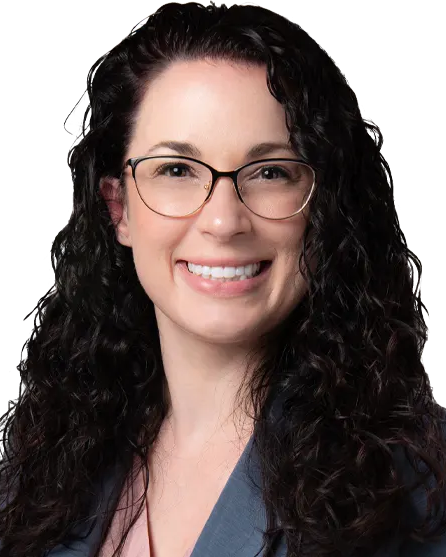
Madeleine J. Swortwood, PhD
Dr. Madeleine J. Swortwood is a nationally recognized toxicology expert affiliated with Robson Forensic, Inc. Her practice spans alcohol & drugs of abuse, pharmaceuticals, metals, carcinogens, inhalants, and novel psychoactive substances, among others, with extensive experience in casework, laboratory testing & research, and testimony. Dr. Swortwood holds a PhD in Chemistry from Florida International University and a B.A. in Biochemistry (Magna Cum Laude) from Duquesne University. She has served in academia, industry, and government roles, including as a forensic toxicologist for a medical examiner’s office and with the U.S. Food and Drug Administration, publishing over 40 peer-reviewed articles and contributing expert testimony in civil and criminal matters. She is an active member of SOFT, AAFS, NSC-ADID, serves on the editorial board of Journal of Forensic Science, and holds leadership roles in various professional toxicology committees.

James Gill, MD
James R. Gill MD is the Chief Medical Examiner of Connecticut, past Chair of the Forensic Pathology Committee of the College of American Pathologists (CAP), and a past President of the National Association of Medical Examiners (NAME). He has faculty medical appointments at Yale, University of Connecticut, and Quinnipiac University. He did his pathology training at Yale and Memorial Sloan-Kettering Cancer Center and his forensic pathology fellowship at the New York City Office of Chief Medical Examiner. Prior to Connecticut, he was the Deputy Chief Medical Examiner for Bronx County. He has testified over 450 times in criminal and civil matters in State and Federal courts and has published over 100 scientific articles and book chapters, and two books on a variety of forensic pathology topics. He has particular interests in public health including drug intoxication deaths, infectious disease, fatal complications of therapy, and proper death certification.
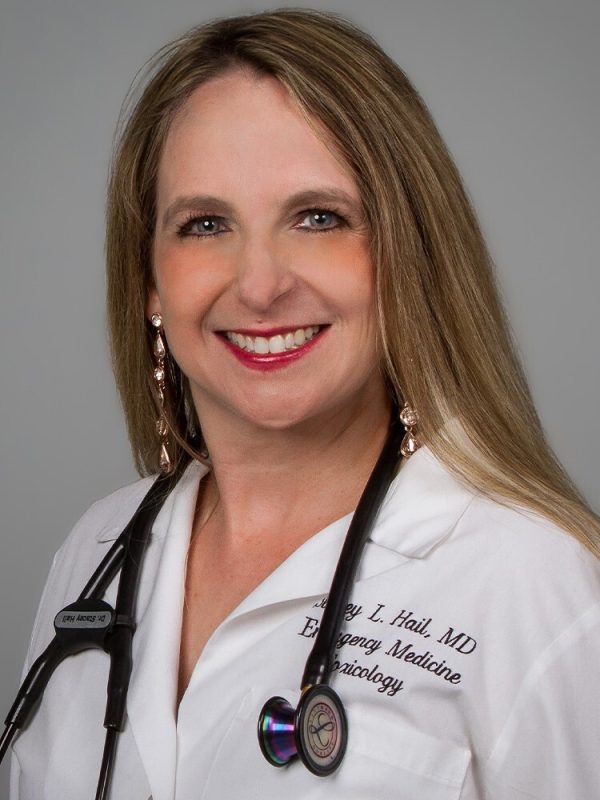
Stacey Hail, MD
Stacey L. Hail, MD is an Associate Professor of Emergency Medicine and Medical Toxicology at the University of Texas Southwestern Medical Center. She currently serves as attending physician in the Parkland Hospital Emergency Department and the North Texas Poison Center. Dr. Hail received a Bachelor of Science in Chemistry at Southern Methodist University in 1995. After receiving her Medical Degree at the Medical College of Georgia in 1999, she completed both her emergency medicine residency and medical toxicology fellowship at Parkland Hospital in Dallas, Texas.
Dr. Hail has a prolific forensic toxicology practice serving as an expert witness for attorneys throughout the United States. She has testified multiple times as a witness for the Department of Justice involving federal drug crimes. Her toxicology interests include methodology for cause of death determinations, sudden death in custody and the excited delirium syndrome, and the national opioid epidemic. Dr. Hail also has provided toxicology commentary for local and national news venues and for documentaries on the National Geographic channel, the BBC, and the Oxygen channel.
James Gill, MD
James R. Gill MD is the Chief Medical Examiner of Connecticut, past Chair of the Forensic Pathology Committee of the College of American Pathologists (CAP), and a past President of the National Association of Medical Examiners (NAME). He has faculty medical appointments at Yale, University of Connecticut, and Quinnipiac University. He did his pathology training at Yale and Memorial Sloan-Kettering Cancer Center and his forensic pathology fellowship at the New York City Office of Chief Medical Examiner. Prior to Connecticut, he was the Deputy Chief Medical Examiner for Bronx County. He has testified over 450 times in criminal and civil matters in State and Federal courts and has published over 100 scientific articles and book chapters, and two books on a variety of forensic pathology topics. He has particular interests in public health including drug intoxication deaths, infectious disease, fatal complications of therapy, and proper death certification.
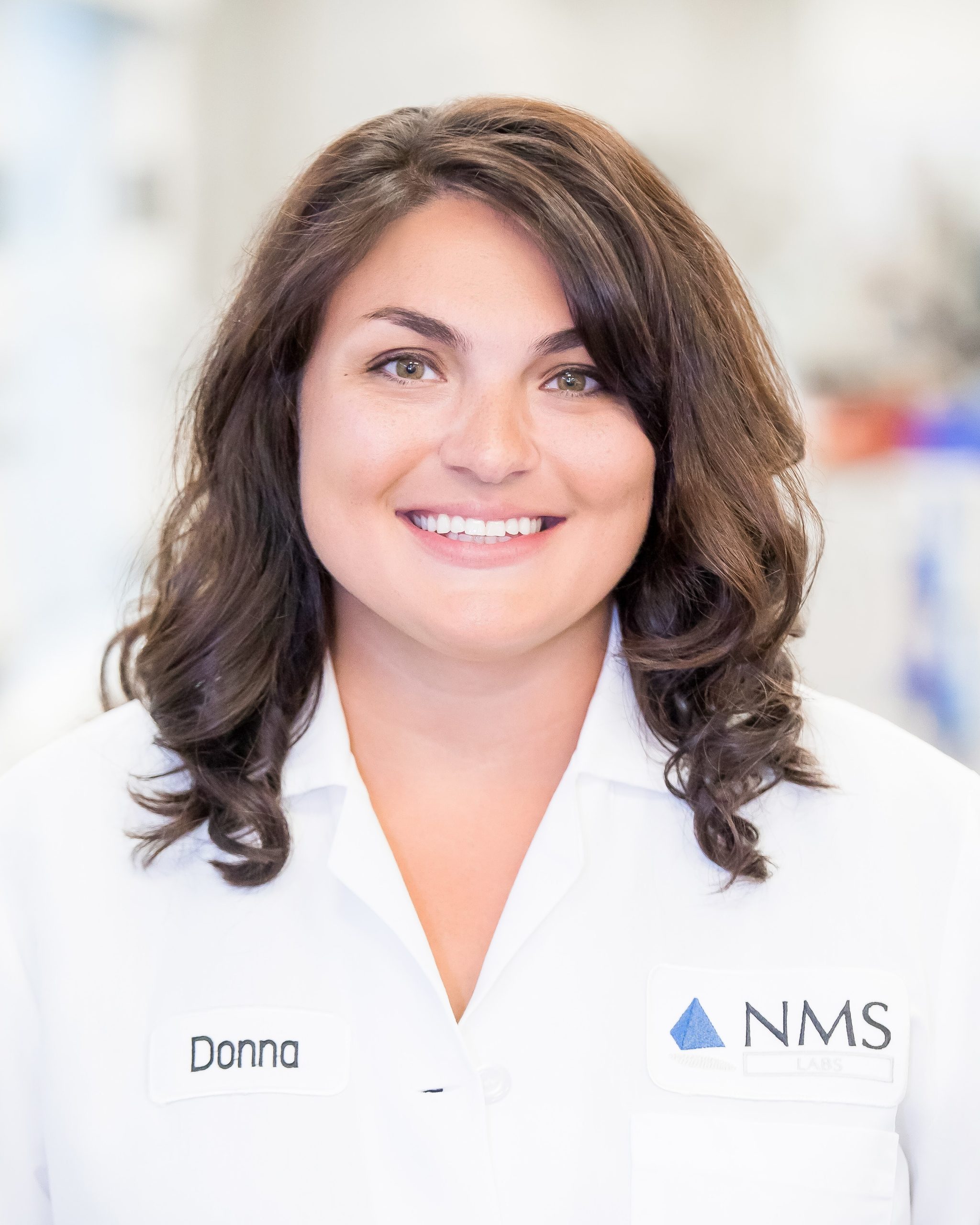
Donna Papsun, MS, D-ABFT-FT | Moderator
Donna Papsun is a forensic toxicologist and business scientist with NMS Labs in Horsham, PA. She has dual Bachelor of Science degrees in Chemistry and Forensic & Investigative Science and a Master of Science degree in Pharmacology. She is also certified as a Diplomate in Forensic Toxicology through the American Board of Forensic Toxicology and is a member of both the Society of Forensic Toxicologists (SOFT) and the American Academy of Forensic Sciences (AAFS).
Ms. Papsun has been with NMS Labs since 2008, first as a bench analyst before promotion to toxicologist in 2012. Ms. Papsun’s main area of interest is novel psychoactive substances or NPS. As one of the two leaders of NMS’s NPS strategy team, she continuously works to help maintain NMS’s leadership in identifying the newest trends in the changing landscape of the designer drug market and developing tests for their detection in forensic toxicology casework. Ms. Papsun also serves in a secondary role as a business scientist, working to align the technical and scientific expertise of NMS Labs with commercial efforts.
Teri Stockham, PhD
Dr. Teri Stockham is a respected consultant, author and lecturer in the field of forensic toxicology. Over the past three decades, she has gained extensive education, training and experience both in the laboratory and the courtroom. The three degrees Dr. Stockham earned have all been focused in the specialty of forensic toxicology. She holds a Ph.D. from the Medical College of Virginia, and a Master’s degree from The George Washington University. She graduated Magna Cum Laude from Indiana State University. Her laboratory training, including the role as Chief Toxicologist for Broward County, Florida, complements her education and expertise. Dr. Stockham is experienced on the witness stand and has testified hundreds of times.
Dr. Stockham serves as a consultant to a number of law firms, providing her expertise for various court cases involving personal injury, insurance defense, probation/parole, court martial, DUI, workers compensation, child custody and drug-facilitated sexual assault. Her forensic toxicology services have encompassed a large number of clients who represent insurance companies, individuals, government agencies and healthcare providers.
Charles McKay, MD, FACMT
Dr. McKay was trained in Anatomic and Surgical Pathology, Internal Medicine, Emergency Medicine, Medical Toxicology and was a Medical Director of Occupational Health and Medical Review Officer for a hospital system during more than 30 years of clinical practice, during which he provided toxicology consultation at 3 hospitals, directed a medical toxicology fellowship training program, and provided medical oversight of a regional poison control center. He provides medical legal consultation across the country on toxicology-related issues, and has testified in nearly 100 cases, many related to questions of alcohol- and drug-induced impairment.
Bryan Judge, MD, FACMT | Moderator
Dr. Bryan Judge practices emergency medicine and medical toxicology at Spectrum Health in Grand Rapids, MI and emergency medicine at Aspirus Keweenaw Hospital in Laurium, MI. He is a Professor in the Department of Emergency Medicine | Division of Medical Toxicology at Michigan State University College of Human Medicine. An avid outdoorsman, his first love is hunting in the mountains across the globe.
Day 2: In the Laboratory | Complexities in Testing and Interpretation
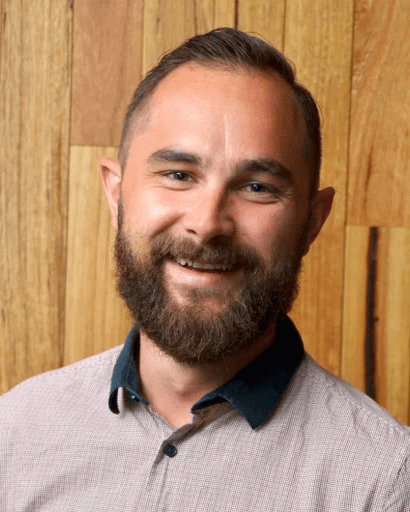
Luke Rodda, PhD
Luke N. Rodda, PhD is Chief Forensic Toxicologist and Director of the Forensic Laboratory Division at the Office of the Chief Medical Examiner, City and County of San Francisco, and Assistant Adjunct Professor at UCSF. His work focuses on the analysis and interpretation of alcohol, drugs, and poisons in medico-legal casework, including death investigations, drug-impaired driving, and drug-facilitated crimes. Dr. Rodda has authored numerous peer-reviewed publications on forensic toxicology, mass spectrometry, novel psychoactive substances, and opioid-related harms, and he has provided expert testimony in both criminal and civil proceedings. He is internationally recognized for his contributions to method development, oral fluid testing, and the monitoring of emerging drug trends, and he has played a leading role in advancing public policy related to impaired driving and forensic toxicology standards.
James Caruso, MD
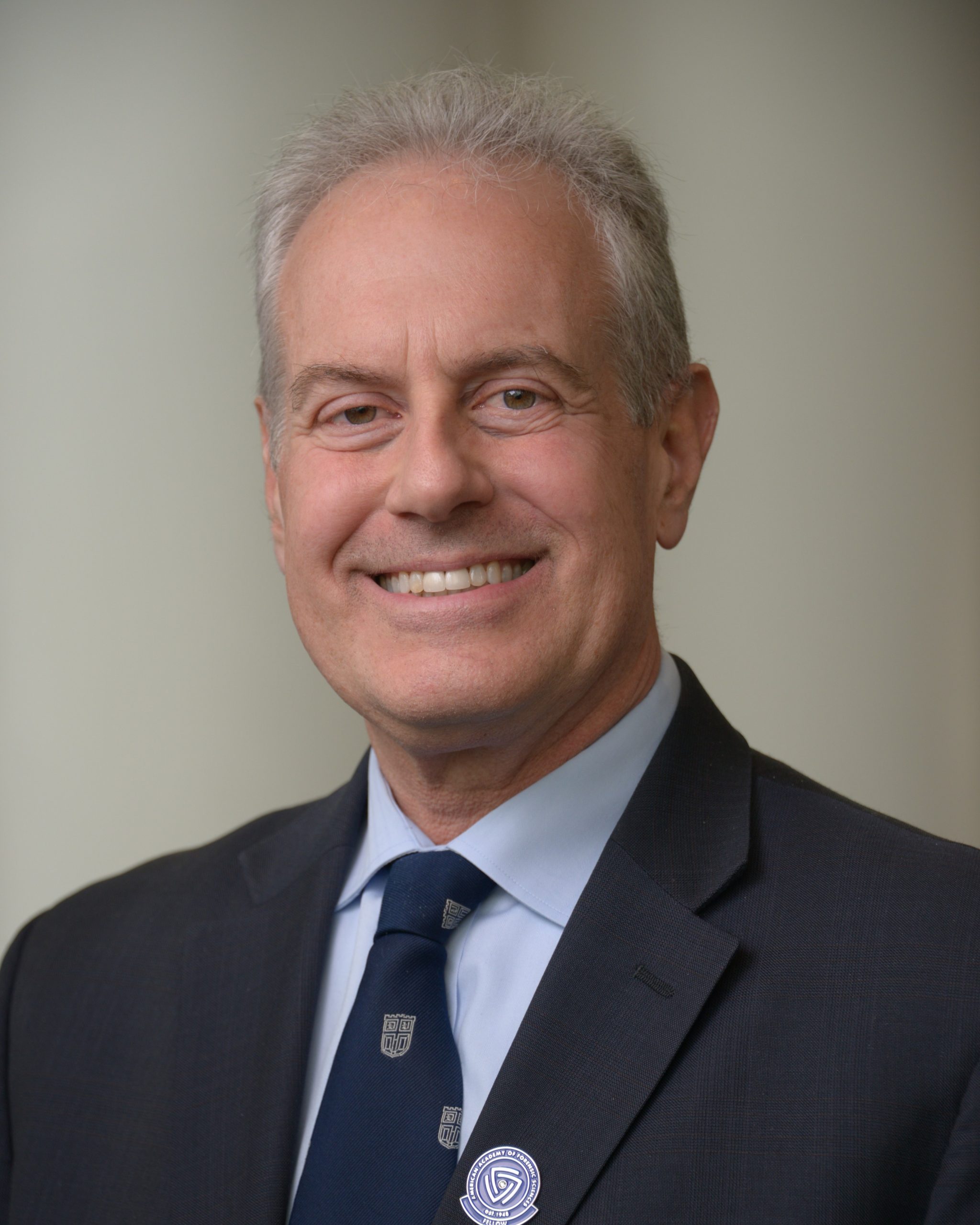
James Caruso, MD is the recently retired Chief Medical Examiner and Forensic Pathologist for the City and County of Denver. He is also a retired United States Navy Medical Officer and former Armed Forces Medical Examiner. Captain Caruso served nearly 30 years in roles spanning shipboard medicine, diving and submarine medicine, aviation medicine, pathology, and forensic pathology. During his Navy career, he was a Diving Medical Officer with the Explosive Ordnance Disposal Unit, completed a residency in Anatomic and Clinical Pathology and a fellowship in Diving and Hyperbaric Medicine at Duke University Medical Center, and trained in forensic pathology at the Office of the Maryland Chief Medical Examiner.
Dr. Caruso has personally performed more than 5,000 autopsies and supervised countless others, working in environments ranging from military hospitals to combat zones. His notable cases include the investigation of the Space Shuttle Columbia disaster and the autopsy of Pat Tillman. Widely published in forensic pathology and diving medicine, Dr. Caruso has contributed numerous scientific papers and book chapters throughout his career. He now resides in Castle Rock, Colorado, and works as a Forensic Pathologist in Colorado and California.
Alex Krotulski, PhD
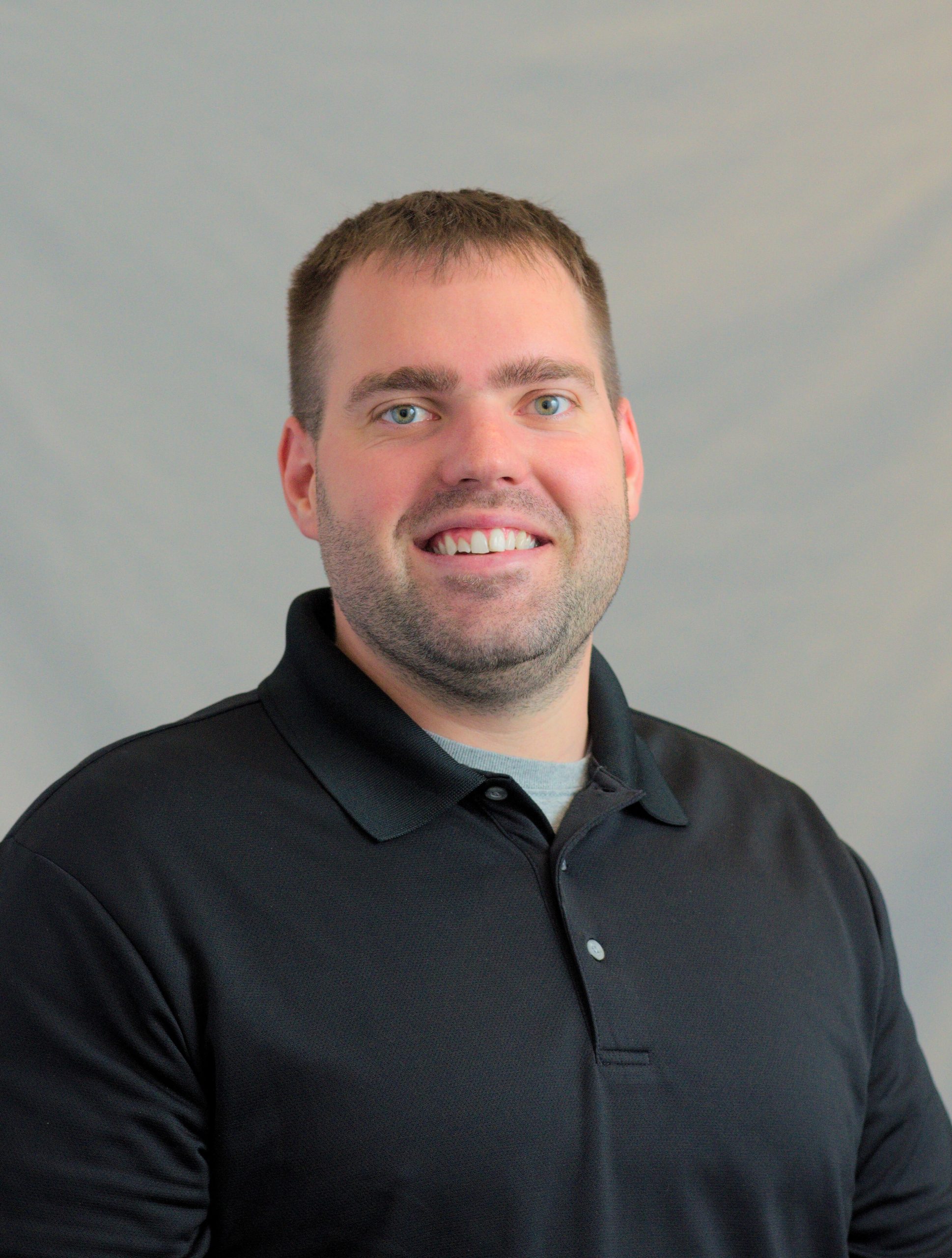
Dr. Alex J. Krotulski serves as a Director at the Center for Forensic Science Research and Education (CFSRE) working in the areas of forensic toxicology and forensic chemistry and is the Program Manager for NPS Discovery, the CFSRE’s drug early warning system and flagship program for the identification and characterization of new and emerging synthetic drugs. Dr. Krotulski is a chemist by training and practices as a forensic toxicologist. Dr. Krotulski holds faculty appointment and serves as the Program Director for the Thomas Jefferson University Master of Science in Forensic Toxicology (MSFT) program and is an Senior Associate Editor for the Journal of Analytical Toxicology.
Lewis S Nelson, MD, MBA, FACMT, FASAM
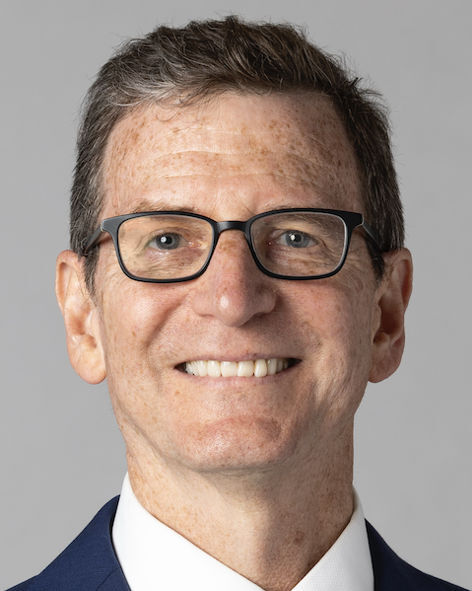
Lewis S. Nelson, MD, MBA, is Dean and Chief of Health Affairs at Florida Atlantic University’s Charles E. Schmidt College of Medicine. A nationally recognized leader in emergency medicine, medical toxicology, and addiction medicine, Dr. Nelson brings over three decades of experience in clinical care, education, and academic leadership. Prior to joining FAU in 2025, he served as Professor and founding Chair of Emergency Medicine at Rutgers New Jersey Medical School, where he also led the Division of Medical Toxicology and Addiction Medicine and served as Chief of Service for the Emergency Department at University Hospital of Newark.
Dr. Nelson has held numerous national leadership positions, including President of the American College of Medical Toxicology and the Association of Academic Chairs in Emergency Medicine, and board roles with the American Board of Emergency Medicine, the Accreditation Council for Continuing Medical Education, and the Society for Academic Emergency Medicine. A prolific scholar, he has authored more than 300 peer-reviewed publications and serves as lead editor of Goldfrank’s Toxicologic Emergencies, the definitive reference in medical toxicology. His work focuses on emergency medicine, toxicology, addiction medicine, and health policy, with an emphasis on improving patient safety and advancing evidence-based care.
Donna Papsun, MS, D-ABFT-FT
Donna Papsun is a forensic toxicologist and business scientist with NMS Labs in Horsham, PA. She has dual Bachelor of Science degrees in Chemistry and Forensic & Investigative Science and a Master of Science degree in Pharmacology. She is also certified as a Diplomate in Forensic Toxicology through the American Board of Forensic Toxicology and is a member of both the Society of Forensic Toxicologists (SOFT) and the American Academy of Forensic Sciences (AAFS).
Ms. Papsun has been with NMS Labs since 2008, first as a bench analyst before promotion to toxicologist in 2012. Ms. Papsun’s main area of interest is novel psychoactive substances or NPS. As one of the two leaders of NMS’s NPS strategy team, she continuously works to help maintain NMS’s leadership in identifying the newest trends in the changing landscape of the designer drug market and developing tests for their detection in forensic toxicology casework. Ms. Papsun also serves in a secondary role as a business scientist, working to align the technical and scientific expertise of NMS Labs with commercial efforts.
Luke Rodda, PhD
Luke N. Rodda, PhD is Chief Forensic Toxicologist and Director of the Forensic Laboratory Division at the Office of the Chief Medical Examiner, City and County of San Francisco, and Assistant Adjunct Professor at UCSF. His work focuses on the analysis and interpretation of alcohol, drugs, and poisons in medico-legal casework, including death investigations, drug-impaired driving, and drug-facilitated crimes. Dr. Rodda has authored numerous peer-reviewed publications on forensic toxicology, mass spectrometry, novel psychoactive substances, and opioid-related harms, and he has provided expert testimony in both criminal and civil proceedings. He is internationally recognized for his contributions to method development, oral fluid testing, and the monitoring of emerging drug trends, and he has played a leading role in advancing public policy related to impaired driving and forensic toxicology standards.
Rachel Wightman, MD, FACMT | Moderator
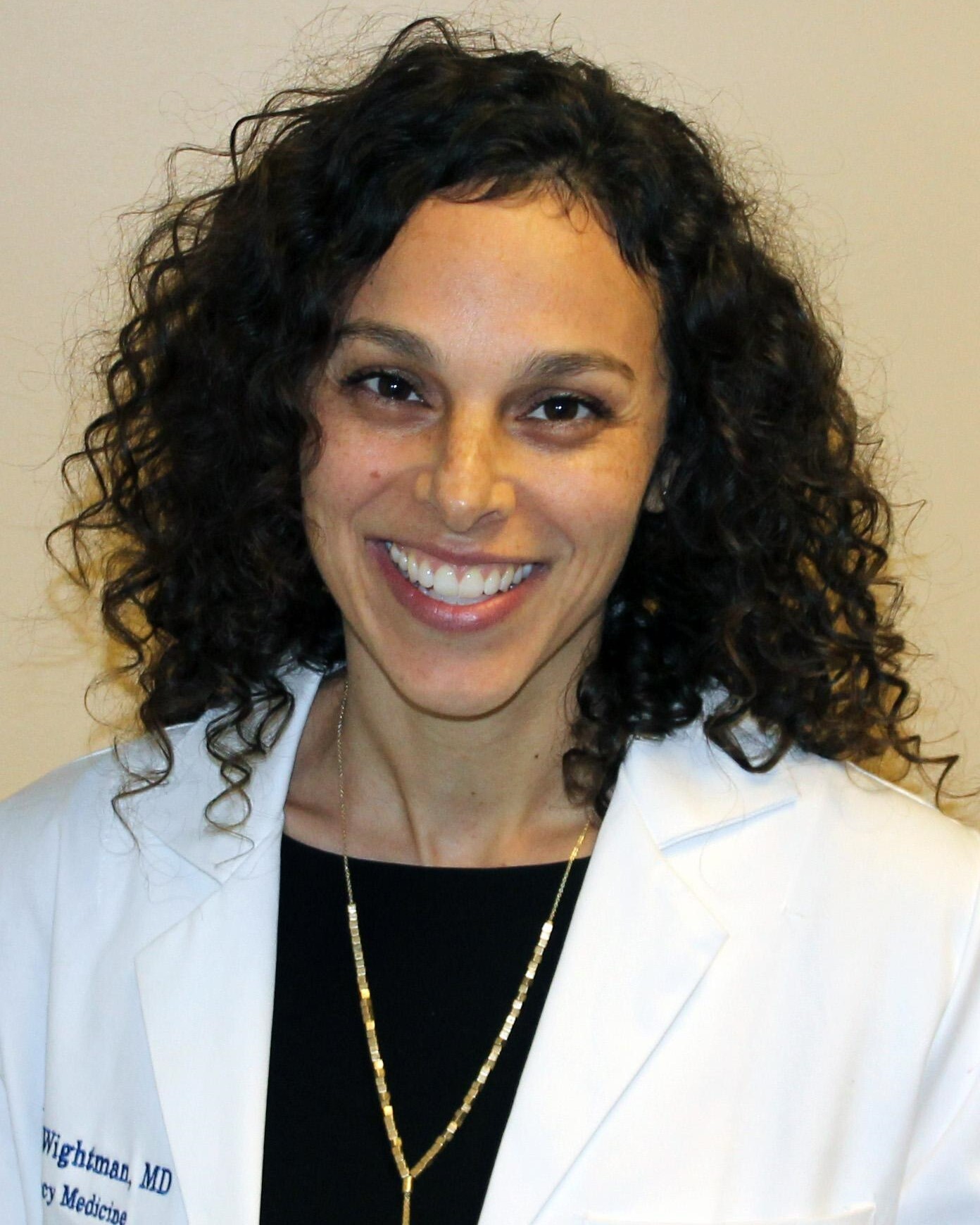
Dr. Rachel Wightman is an Associate Professor of Emergency Medicine and Epidemiology at Alpert Medical School of Brown University. Trained in Emergency Medicine and Medical Toxicology at Bellevue Hospital, New York University, New York City Poison Control Center Dr. Wightman currently serves as the Director of Toxicology and Addiction Medicine for Brown Emergency Medicine and is a Consultant Medical Director at the Rhode Island Department of Health. She is a NIH-funded Principal Investigator focused on cannabis and opioid use.

Paul Wax, MD, FACMT
Dr. Wax is the Executive Director of the American College of Medical Toxicology. He received his B.A from Dartmouth College, his M.D. from the Mount Sinai School of Medicine, his Emergency Medicine training at the UCLA Hospitals, and his Medical Toxicology training at Bellevue Medicine Center / New York University. He is Board-certified in both Medical Toxicology and Emergency Medicine, and is a Fellow of the American College of Medical Toxicology.
Alex Krotulski, PhD
Dr. Alex J. Krotulski serves as a Director at the Center for Forensic Science Research and Education (CFSRE) working in the areas of forensic toxicology and forensic chemistry and is the Program Manager for NPS Discovery, the CFSRE’s drug early warning system and flagship program for the identification and characterization of new and emerging synthetic drugs. Dr. Krotulski is a chemist by training and practices as a forensic toxicologist. Dr. Krotulski holds faculty appointment and serves as the Program Director for the Thomas Jefferson University Master of Science in Forensic Toxicology (MSFT) program and is an Senior Associate Editor for the Journal of Analytical Toxicology.
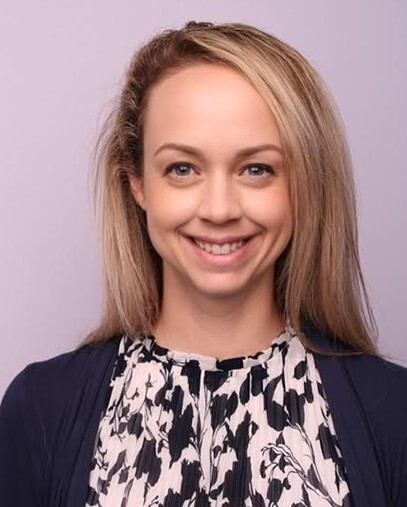
Rachel Culbreth, PhD, MPH
Dr. Culbreth joined the Toxicology Investigators Consortium/ACMT in May 2022. She received her PhD and MPH in epidemiology and biostatistics from Georgia State University. Her dissertation focused on the development of novel statistical methods to measure current and amount of substance use in a hybrid structural equation mixture model framework. She was an Assistant Professor in the College of Nursing and Health Professions at Georgia State University from 2019-2022, where she taught undergraduate and graduate-level research methods, healthcare leadership, and advanced statistical topics for pre-doctoral students. As ToxIC's Research Director, she leads new grant development and scientific dissemination through manuscripts and presentations, and enjoys working closely with clinical colleagues to advance medical toxicology research and practice.
Karen S. Scott, PhD, F-ABFT
Karen S. Scott, PhD is Associate Professor and Director of the Clinical and Forensic Toxicology Laboratories at the University of Alabama at Birmingham, with more than 30 years of experience in forensic toxicology. She earned her PhD from the University of Glasgow, where she trained in postmortem toxicology alongside forensic pathologists, and later completed a postdoctoral fellowship at Japan’s National Institute of Health Sciences focusing on drug detection in hair. Dr. Scott has held leadership roles in both academia and forensic laboratories, including directing the MSFS program at Arcadia University and the Master’s in Forensic Toxicology program at Glasgow. She currently serves on the executive board of the National Safety Council’s Alcohol, Drugs, and Impairment Division, the editorial board of Clarke’s Analysis of Drugs and Poisons, and the OSAC Forensic Toxicology Subcommittee. In 2025, she received the Outstanding Service to Council of Forensic Scientists (COFSE) Award in recognition of her contributions to the field.
Donna Papsun, MS, D-ABFT-FT
Donna Papsun is a forensic toxicologist and business scientist with NMS Labs in Horsham, PA. She has dual Bachelor of Science degrees in Chemistry and Forensic & Investigative Science and a Master of Science degree in Pharmacology. She is also certified as a Diplomate in Forensic Toxicology through the American Board of Forensic Toxicology and is a member of both the Society of Forensic Toxicologists (SOFT) and the American Academy of Forensic Sciences (AAFS).
Ms. Papsun has been with NMS Labs since 2008, first as a bench analyst before promotion to toxicologist in 2012. Ms. Papsun’s main area of interest is novel psychoactive substances or NPS. As one of the two leaders of NMS’s NPS strategy team, she continuously works to help maintain NMS’s leadership in identifying the newest trends in the changing landscape of the designer drug market and developing tests for their detection in forensic toxicology casework. Ms. Papsun also serves in a secondary role as a business scientist, working to align the technical and scientific expertise of NMS Labs with commercial efforts.
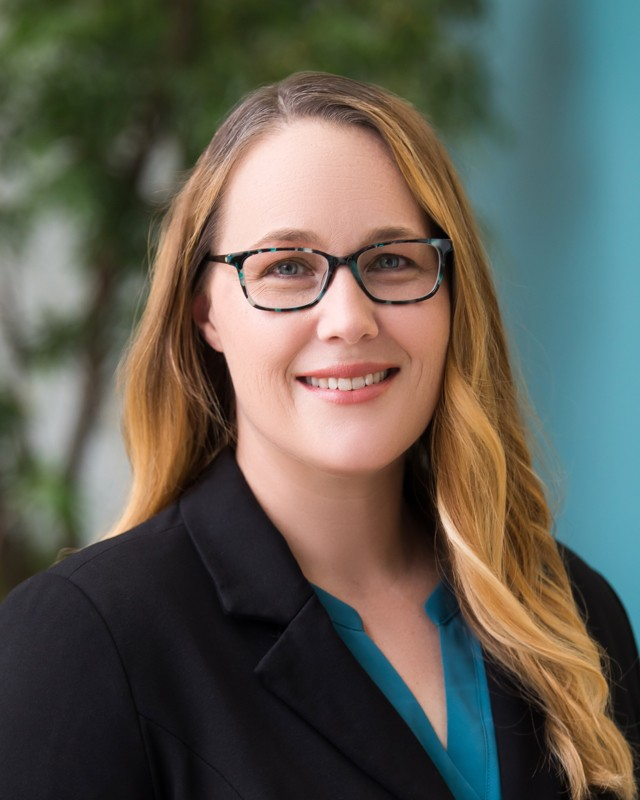
Kari Midthun, PhD, F-ABFT
Kari Midthun, PhD is a Forensic Toxicologist at NMS Labs with experience spanning academia, government, and industry at the intersection of biology and chemistry. She previously served as Assistant Laboratory Director at United States Drug Testing Laboratories and as a Forensic Scientist with the New York State Police. Dr. Midthun earned her PhD and MS in Chemistry and Chemical Biology from Cornell University, where she was a National Science Foundation IGERT Fellow. Her professional background includes forensic science, chemistry, nanotechnology, chemical safety, and education, and she brings expertise in laboratory leadership, analytical methods, and applied forensic toxicology.
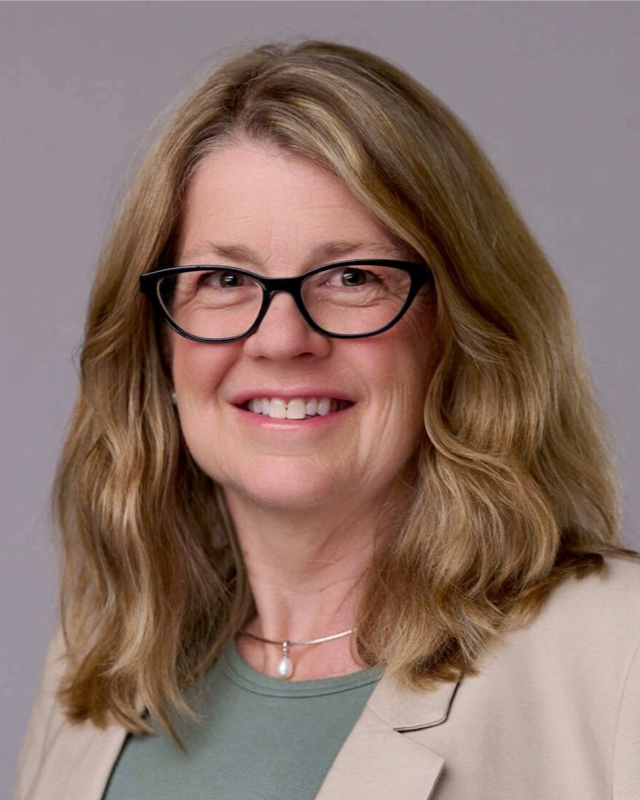
Gwendolyn A. McMillin, PhD, DABCC-CC, DABCC-TC, FADLM
Dr. Gwendolyn A. McMillin is the Vice President of Clinical Scientific Engagement at NMS Labs in Horsham, Pennsylvania. She is board-certified by the American Board of Clinical Chemistry in both Clinical Chemistry and Toxicological Chemistry. Before joining NMS Labs, Dr. McMillin spent over two decades at ARUP Laboratories and the University of Utah School of Medicine, where she served as Medical Director of Clinical Toxicology and Pharmacogenomics, Scientific Director of Mass Spectrometry, and Professor (Clinical) of Pathology.
Dr. McMillin’s research focuses on pharmacogenomics, newborn drug exposure, and analytical method development. She has received multiple awards for her contributions to laboratory medicine, including the Ellis Benson Young Investigator Award from the Academy of Clinical Laboratory Physicians and Scientists and the Past Chair Award from the TDM and Toxicology Division of the American Association for Clinical Chemistry (now ADLM).
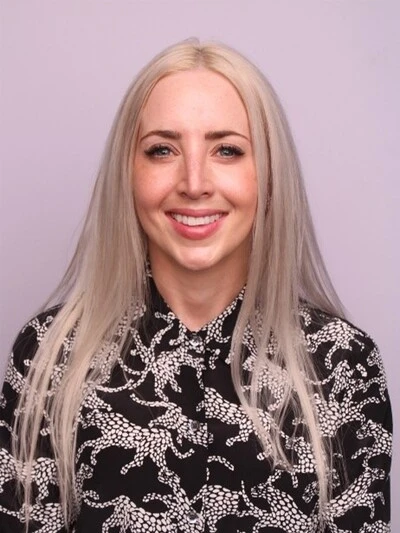
Jessica Kent, MD, MClSc
Dr. Jessica Kent-Rice is an Emergency Physician and Medical Toxicologist at St. Michael’s Hospital and the Ontario Poison Centre in Toronto, an Investigating Coroner for North Peel and an Adjunct Assistant Professor – Clinician Investigator in the Department of Medicine at the University of Toronto. She completed her Emergency Medicine residency and Clinical Pharmacology & Toxicology fellowship at the University of Toronto.
Dr. Kent-Rice’s work lies at the intersection of acute care, toxicology, and forensic medicine. Her academic and clinical interests include preventable drug-related deaths, the forensic applications of clinical pharmacology, and the use of toxicovigilance to inform public health and policy.
Gwendolyn A. McMillin, PhD, DABCC-CC, DABCC-TC, FADLM
Dr. Gwendolyn A. McMillin is the Vice President of Clinical Scientific Engagement at NMS Labs in Horsham, Pennsylvania. She is board-certified by the American Board of Clinical Chemistry in both Clinical Chemistry and Toxicological Chemistry. Before joining NMS Labs, Dr. McMillin spent over two decades at ARUP Laboratories and the University of Utah School of Medicine, where she served as Medical Director of Clinical Toxicology and Pharmacogenomics, Scientific Director of Mass Spectrometry, and Professor (Clinical) of Pathology.
Dr. McMillin’s research focuses on pharmacogenomics, newborn drug exposure, and analytical method development. She has received multiple awards for her contributions to laboratory medicine, including the Ellis Benson Young Investigator Award from the Academy of Clinical Laboratory Physicians and Scientists and the Past Chair Award from the TDM and Toxicology Division of the American Association for Clinical Chemistry (now ADLM).
Luke Rodda, PhD
Luke N. Rodda, PhD is Chief Forensic Toxicologist and Director of the Forensic Laboratory Division at the Office of the Chief Medical Examiner, City and County of San Francisco, and Assistant Adjunct Professor at UCSF. His work focuses on the analysis and interpretation of alcohol, drugs, and poisons in medico-legal casework, including death investigations, drug-impaired driving, and drug-facilitated crimes. Dr. Rodda has authored numerous peer-reviewed publications on forensic toxicology, mass spectrometry, novel psychoactive substances, and opioid-related harms, and he has provided expert testimony in both criminal and civil proceedings. He is internationally recognized for his contributions to method development, oral fluid testing, and the monitoring of emerging drug trends, and he has played a leading role in advancing public policy related to impaired driving and forensic toxicology standards.
Donna Papsun, MS, D-ABFT-FT | Moderator
Donna Papsun is a forensic toxicologist and business scientist with NMS Labs in Horsham, PA. She has dual Bachelor of Science degrees in Chemistry and Forensic & Investigative Science and a Master of Science degree in Pharmacology. She is also certified as a Diplomate in Forensic Toxicology through the American Board of Forensic Toxicology and is a member of both the Society of Forensic Toxicologists (SOFT) and the American Academy of Forensic Sciences (AAFS).
Ms. Papsun has been with NMS Labs since 2008, first as a bench analyst before promotion to toxicologist in 2012. Ms. Papsun’s main area of interest is novel psychoactive substances or NPS. As one of the two leaders of NMS’s NPS strategy team, she continuously works to help maintain NMS’s leadership in identifying the newest trends in the changing landscape of the designer drug market and developing tests for their detection in forensic toxicology casework. Ms. Papsun also serves in a secondary role as a business scientist, working to align the technical and scientific expertise of NMS Labs with commercial efforts.
2026 Planning Committee
A big thank you to our ACMT and CFSRE volunteers for their efforts to plan, moderate, and provide their expertise for this seminar!
Alex Krotulski, PhD, Director of Toxicology & Chemistry, CFSRE
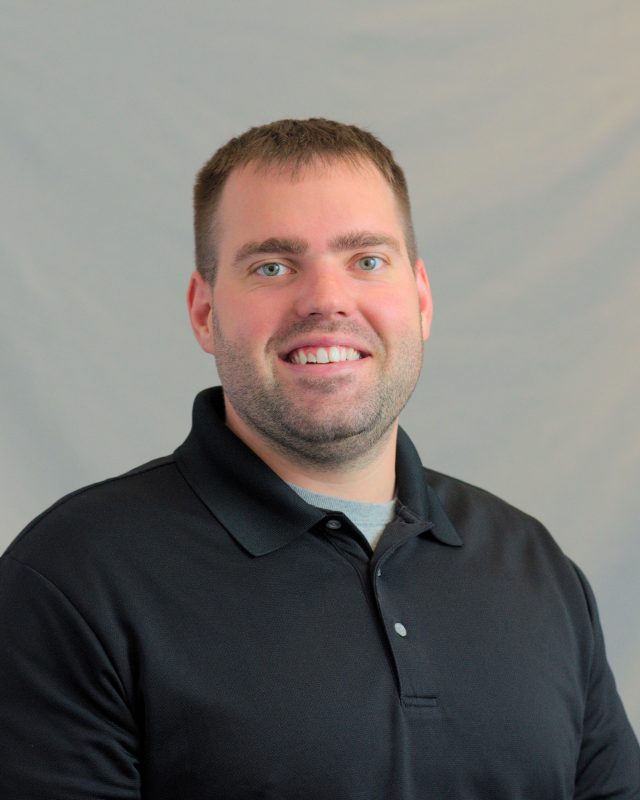
Donna Papsun, MS, D-ABFT-FT
NMS Labs

Paul Wax, MD, FACMT
Executive Director, ACMT
Rachel Wightman, MD
Brown University

Jessica Kent, MD, MClSc
University of Toronto
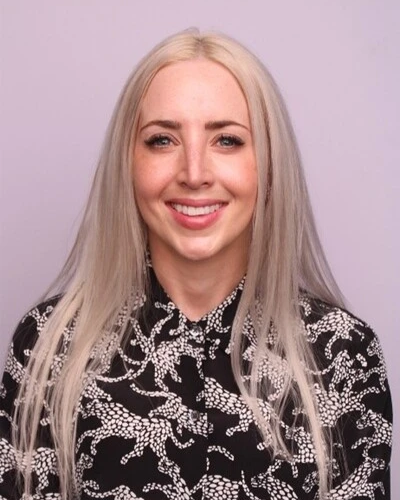
Bryan Judge, MD, FACMT
Former Board Member, ACMT
Charles McKay, MD, FACMT
ACMT Past President