
2026 ACMT Symposium
March 19, 2026
Hilton Boston Park Plaza
Boston, MA
#ACMT2026
Important Dates
Early-Bird Registration Deadline
February 6, 2026
AACT Pop Tox Symposium
March 18, 2026
ACMT Toxicosurveillance Symposium
March 19, 2026
Risk Assessment & Risk Communication Boot Camp
March 19, 2026
#ACMT2026 Main Conference
March 20-22, 2026
ACMT Symposium | Toxicosurveillance of Emerging Substances in the Management of Substance Use Disorders (SUD)
Join the American College of Medical Toxicology (ACMT) on Thursday, March 19, 2026 for the ACMT Toxicosurveillance of Emerging Substances in the Management of SUD at the Hilton Boston Park Plaza, in Boston, MA.
This full-day symposium focuses on the rapidly expanding field of toxicosurveillance and its potential role in the management of substance use disorders (SUD). As the illicit drug supply continues to evolve—with new synthetic compounds, adulterants, and contaminants emerging at unprecedented speed—timely drug supply surveillance has become essential for clinicians, toxicologists, and public health professionals.
This symposium brings together national experts leading drug checking and surveillance initiatives to discuss the evolution of drug supply testing, approaches for comprehensive toxicology testing in patients (biosurveillance), and real-world findings from community-based and national programs.
Learning Objectives:
- Describe the principles and evolution of drug supply testing and toxicosurveillance.
- Interpret data from drug checking and biosurveillance programs.
- Assess the benefits and limitations of toxicosurveillance.
- Describe how toxicosurveillance could be used to inform clinical decision-making and public health messaging.
Continuing Education: Continuing Medical Education (CME) and Continuing Pharmacy Education (CPE) and credits are available for this activity. It is expected that learners will receive up to 5.50 credits for learning and change.
Agenda at a Glance
All times listed in local, Eastern Time.
For more information and the most up to date Agenda, learn more here.
Dr. Dasgupta, winner of the Mc will present his laboratory findings on the synthetic soup that constitutes the US drug supply. He will share insights into emerging trends, fentanyl replacements, and regional variations. He will also discuss how biased measures of fentanyl purity could lead to spurious statistical findings and position the current decline in overdose deaths in a national and historical context. This fast-paced talk will be heavy on data and stories, with analogies to help the audience understand the bigger picture of the constantly changing drug supply.
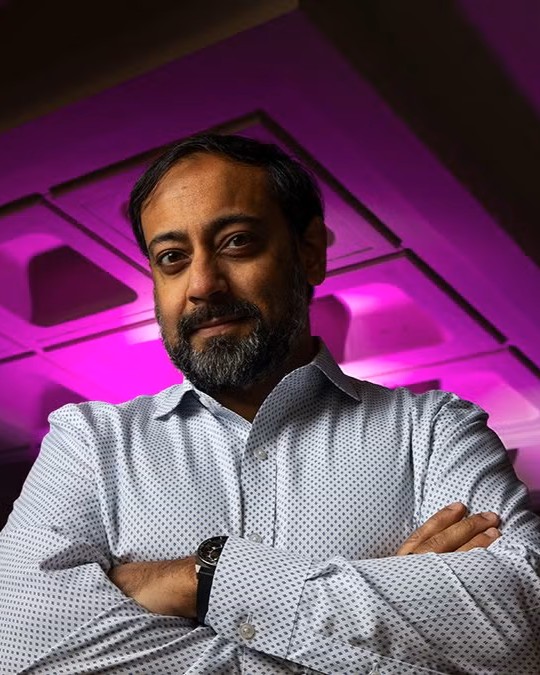
Nabarun Dasgupta, PhD, MPH | “2025 MacArthur “”genius”” Award Winner”
Nabarun Dasgupta, PhD, MPH, is a street drug scientist, whose passion is telling true stories about health with numbers. Centered in pharmaco-epidemiology, his work amplifies community and patient voices in public health. Since 2002 he has done pioneering work in overdose prevention and addiction treatment. He is a recipient of the 2025 MacArthur “”genius”” Fellowship. In 2023 he was placed on the TIME100 Next list of rising global leaders.
As an applied epidemiologist, Dasgupta has served as an advisor to the US Food and Drug Administration (FDA) and World Health Organization (WHO). Operating with an appreciation for the social determinants and of health, the UNC Street Drug Analysis Lab has used GCMS to test nearly 20,000 drug samples provided voluntarily by community organizations and medical providers from around the country.
Dasgupta co-founded two pioneering non-profit organizations: Project Lazarus and Remedy Alliance For The People, a groundbreaking national non-profit bulk distributor of free and low-cost naloxone to harm reduction programs.
Previously he was the Chief Science Officer of Epidemico, a health informatics startup he co-founded using technology developed at Harvard Medical School. He is also an associate editor at the American Journal of Public Health. Dasgupta earned degrees from Princeton, Yale, and UNC.
Follow the free Opioid Data Lab newsletter at OpioidData.org.
Drug checking programs can be a powerful harm reduction tool for communities; however, initiating a drug checking program in various settings can be a challenge. This presentation will include discussions of how to set up and maintain drug checking programs.
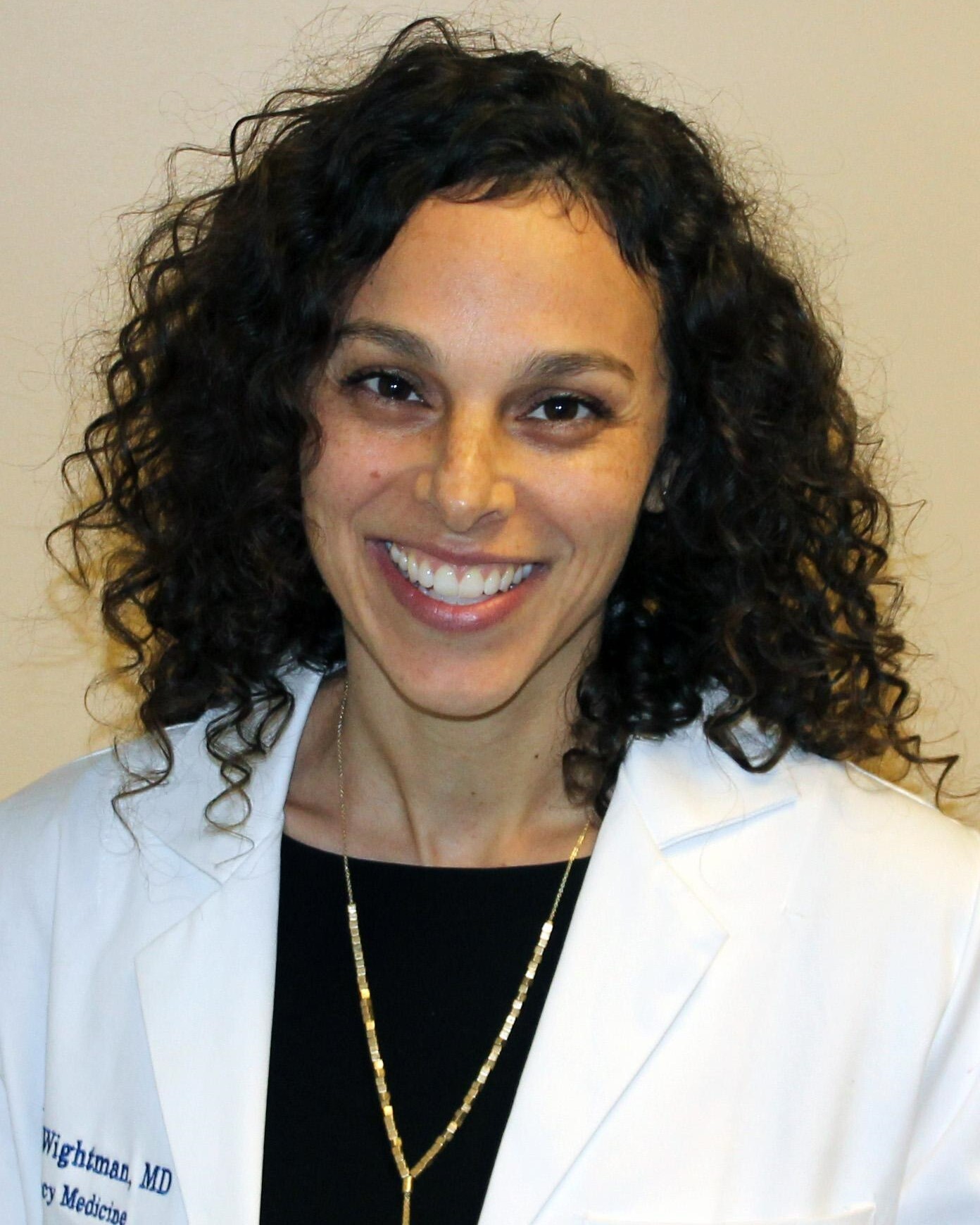
Rachel Wightman, MD, FACMT
Dr. Rachel Wightman is an Associate Professor of Emergency Medicine and Epidemiology at Alpert Medical School of Brown University. Trained in Emergency Medicine and Medical Toxicology at Bellevue Hospital, New York University, New York City Poison Control Center Dr. Wightman currently serves as the Director of Toxicology and Addiction Medicine for Brown Emergency Medicine and is a Consultant Medical Director at the Rhode Island Department of Health. She is a NIH-funded Principal Investigator focused on cannabis and opioid use.
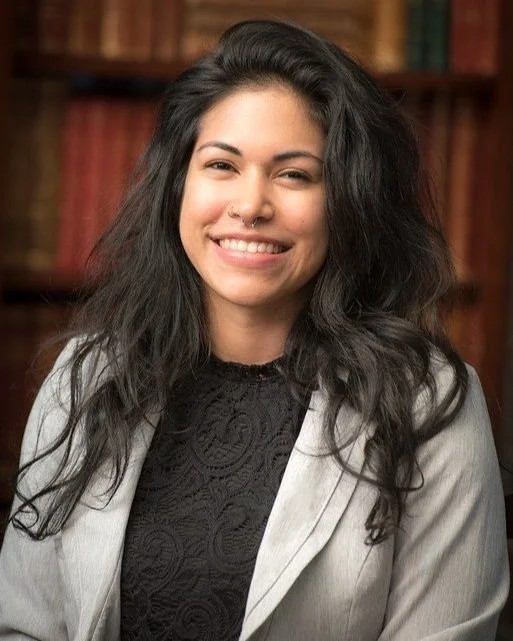
Yarelix Estrada, MPH
Yarelix Estrada, MPH, is the Drug Checking Manager at the New York City Department of Health and Mental Hygiene, where she leads the city’s multi-site drug checking initiative. In this role, she oversees program operations, technician training, and community-based drug checking services using advanced spectrometry and immunoassay technologies. With a background in harm reduction research and health policy, Yarelix has extensive experience in analyzing drug trends, developing rapid public health responses, and promoting equitable care for people who use drugs. She holds a Master of Public Health in Health Policy from the Johns Hopkins Bloomberg School of Public Health.
An audience-interactive conversation discussing the benefits and harms of toxicosurveillance programs. Is it information overload? How do patients use the data? How can we watch for new meaningful substances in the supply and engage a proactive clinical response?
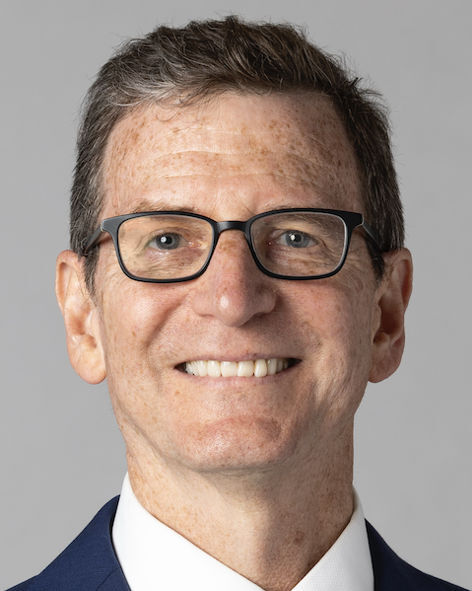
Lewis S Nelson, MD, MBA, FACMT, FASAM
Lewis S. Nelson, MD, MBA, is Dean and Chief of Health Affairs at Florida Atlantic University’s Charles E. Schmidt College of Medicine. A nationally recognized leader in emergency medicine, medical toxicology, and addiction medicine, Dr. Nelson brings over three decades of experience in clinical care, education, and academic leadership. Prior to joining FAU in 2025, he served as Professor and founding Chair of Emergency Medicine at Rutgers New Jersey Medical School, where he also led the Division of Medical Toxicology and Addiction Medicine and served as Chief of Service for the Emergency Department at University Hospital of Newark.
Jennifer Love, MD
Dr. Jennifer Love is an Assistant Professor of Emergency Medicine at The Mount Sinai Hospital and a physician-scientist whose work centers on the emergency care of patients with substance use disorders. As part of the Mount Sinai Center for Research on Emerging Substances, Poisoning, Overdose, and New Discoveries (RESPOND Center), she investigates novel adulterants in the opioid supply, including xylazine, and their clinical implications in emergency settings. Her published research has examined gender disparities in medical toxicology authorship, and her ongoing work explores representation in leadership across the field. Dr. Love earned her medical degree from the Perelman School of Medicine at the University of Pennsylvania, where she also completed her residency and chief residency in emergency medicine, followed by a medical toxicology fellowship at Oregon Health & Science University and a T32 research fellowship at Mount Sinai. Outside of work, she enjoys cooking, ballet, and spending time with her family.
The symposium speakers will highlight the Toxicology Investigators Consortium (ToxIC) Real-World Examination of Naloxone for Drug Overdose Reversal (RENDOR) study, which focuses on pre-hospital naloxone administration and enhanced data collection by EMS providers. Select cases that were in both the pre-hospital RENDOR study and hospital-based Drug Overdose Toxico-Surveillance (DOTS) study will be presented, integrating pre-hospital naloxone data with in-hospital clinical findings, patient interviews with details on intended drug use leading to the overdose, and comprehensive blood toxicology results. Clinical implications for findings will be discussed, including how toxico-surveillance may impact naloxone administered in the EMS setting.
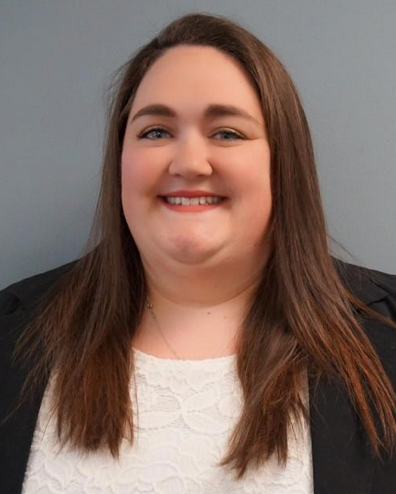
Alyssa Falise, PhD, MSPH
Alyssa joined the Toxicology Investigators Consortium/ACMT in November 2023. Alyssa earned her PhD in epidemiology from the University of Florida and her MSPH from the University of Miami. While at the University of Florida, Alyssa was trained in psychiatric epidemiology as a National Institute on Drug Abuse T32 Pre-Doctoral Fellow in the UF Substance Abuse Training Center in Public Health. In 2023, Alyssa was awarded the College on Problems of Drug Dependence’s Female Opioid-addiction Research and Clinical Experts (FORCE) Junior Investigator Award for her research addressing opioid use and non-medical use among middle and older adults.
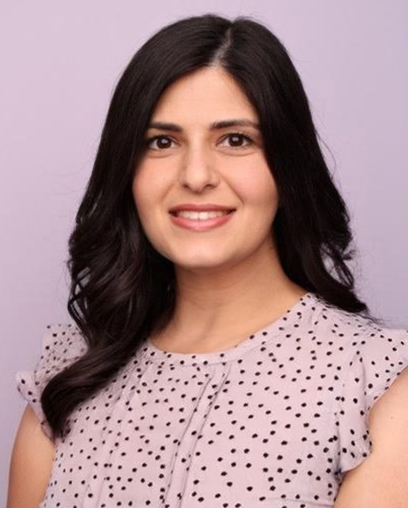
Kim Aldy, DO, MBA, MS
Dr. Aldy initially joined the Toxicology Investigators Consortium with the American College of Medical Toxicology as the first ToxIC intern, where she led a vaping initiative around the country. In her new position with ToxIC, Dr. Aldy is responsible for the day to day management of the ToxIC program, staff and site coordination, helping with research projects and publications, and acquiring support for ToxIC through grants and related activities. Dr. Aldy has an academic and clinical affiliation within the departments of Emergency Medicine and Medical Toxicology at the Baylor University Medical Center in Dallas, Texas.
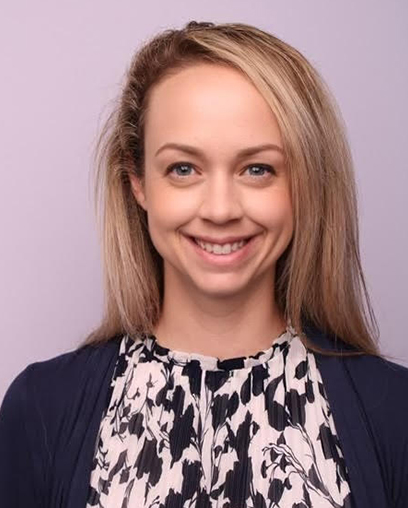
Rachel Culbreth, PhD, MPH
Dr. Culbreth joined the Toxicology Investigators Consortium/ACMT in May 2022. She received her PhD and MPH in epidemiology and biostatistics from Georgia State University. Her dissertation focused on the development of novel statistical methods to measure current and amount of substance use in a hybrid structural equation mixture model framework. She was an Assistant Professor in the College of Nursing and Health Professions at Georgia State University from 2019-2022, where she taught undergraduate and graduate-level research methods, healthcare leadership, and advanced statistical topics for pre-doctoral students. As ToxIC’s Research Director, she leads new grant development and scientific dissemination through manuscripts and presentations, and enjoys working closely with clinical colleagues to advance medical toxicology research and practice.
This discussion will highlight the experiences of toxicologists in evaluating and treating a new overdose and withdrawal syndrome and the process of confirming medetomidine as the etiologic agent from regional drug checking data. The discussants will also focus on their critical care protocols for the treatment of medetomidine withdrawal from their frontline and ICU experiences as emergency physicians and as medical toxicology/addiction medicine consultants.
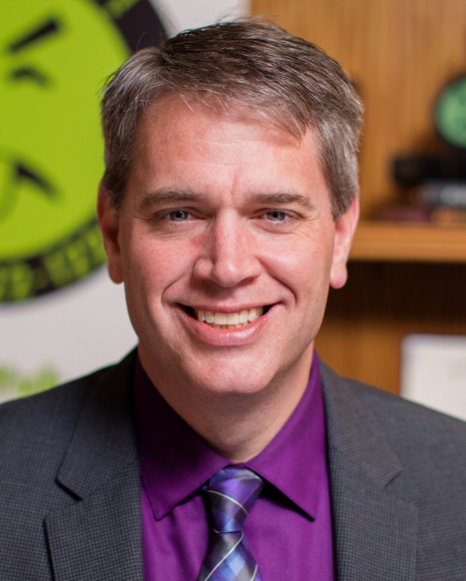
Michael Lynch, MD, FACMT
Dr. Michael Lynch is an associate professor of Emergency Medicine, Toxicology, and Addiction Medicine at the University of Pittsburgh where he works clinically in several UPMC hospitals. He is currently Senior Medical Director for Quality and Substance Use Disorder Services at UPMC Health Plan. He previously served as the first Medical Director of the PA Department of Drug and Alcohol Programs and was Medical Director of the Pittsburgh Poison Center for 10 years. He is the founder and director of the UPMC Medical Toxicology Telemedicine Bridge Clinic.
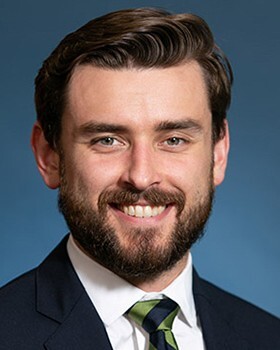
Simon Ostrowski, MD
Simon Ostrowski graduated from Boston University for his undergraduate degree and University of Massachusetts Medical School. He went on to complete his emergency medicine residency and medical toxicology fellowship at University of Pittsburgh Medical Center. Following fellowship, Dr. Ostrowski accepted a faculty position in emergency medicine and medical toxicology at UMass Chan Medical School. His academic interests include alcohol withdrawal, addiction medicine, and the intersection of toxicology and public health particularly the emergence of novel psychoactive substances.
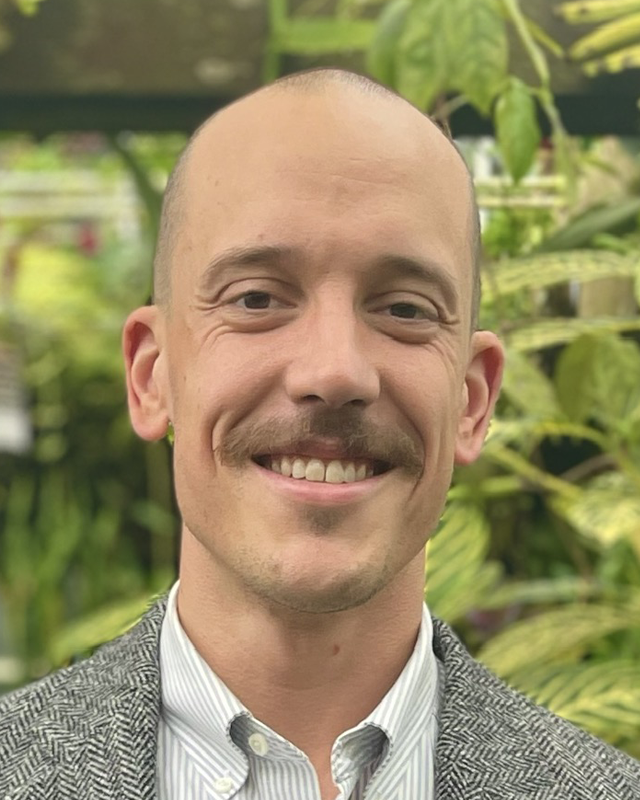
Axel Adams, MD
Dr. Axel Adams grew up in rural Wisconsin and attended the University of Wisconsin where he studied potato genetics and molecular biology. He then attended the University of California – San Francisco for medical school while doing a masters at the University of California-Berkeley School of Public Health with a focus in clinical toxicology. During this time, his research was primarily regarding new psychoactive substance surveillance and biomonitoring and mass spectrometry method development. He completed emergency medicine residency at the University of Washington and completed fellowship at the Toxikon Consortium in Chicago. He is currently involved in the development of a regional toxicosurveillance laboratory in Chicago. His interests include drug discovery from natural products, mass spectrometry, occupational toxicology, bioremediation, botany, and lichenology.
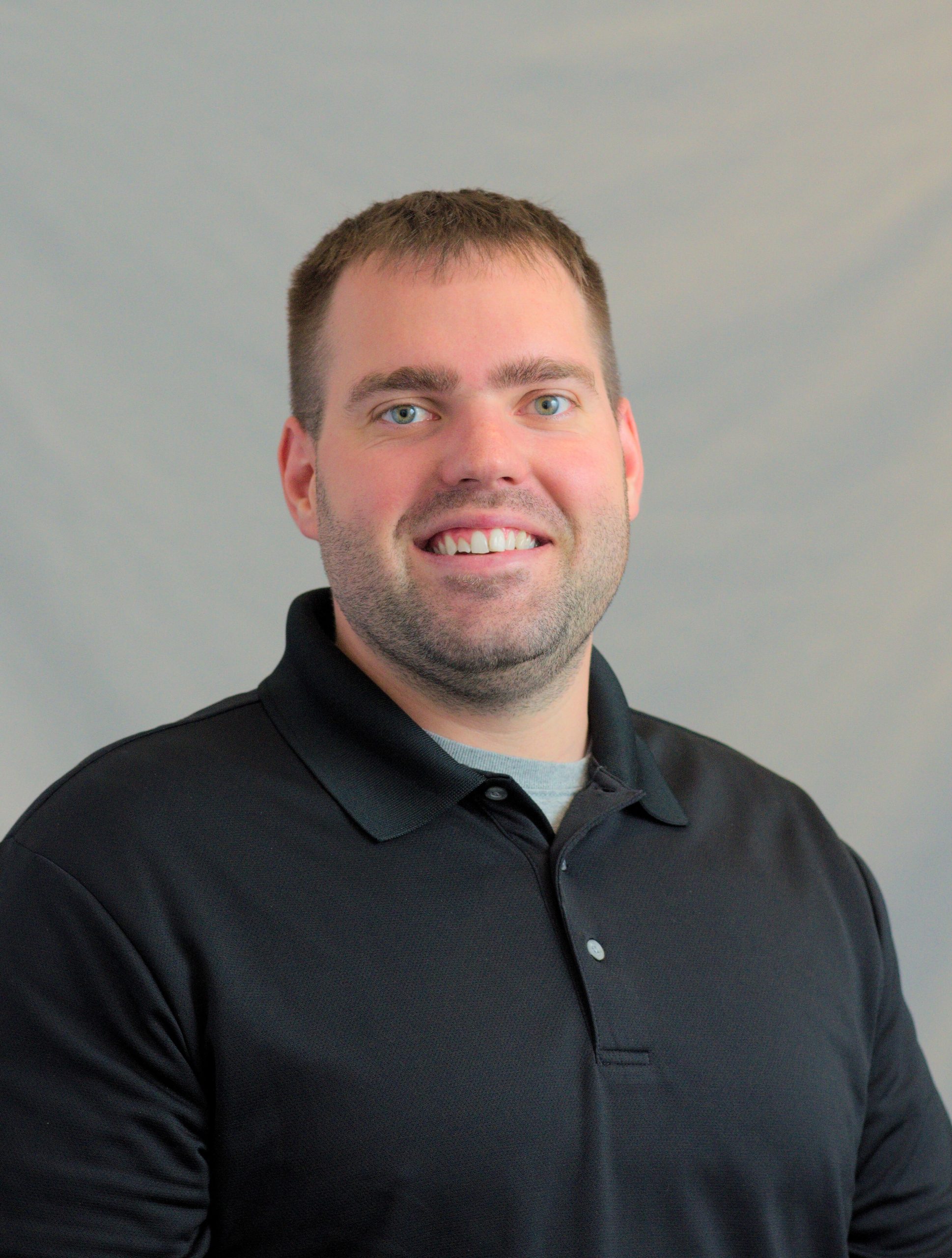
Alex Krotulski, PhD
Dr. Alex J. Krotulski serves as a Director at the Center for Forensic Science Research and Education (CFSRE) working in the areas of forensic toxicology and forensic chemistry and is the Program Manager for NPS Discovery, the CFSRE’s drug early warning system and flagship program for the identification and characterization of new and emerging synthetic drugs. Dr. Krotulski is a chemist by training and practices as a forensic toxicologist. Dr. Krotulski holds faculty appointment and serves as the Program Director for the Thomas Jefferson University Master of Science in Forensic Toxicology (MSFT) program and is an Senior Associate Editor for the Journal of Analytical Toxicology.
Novel research methods help drive innovation in toxicosurveillance research — join us to learn about new translational research in opioid use disorder from NIH experts.
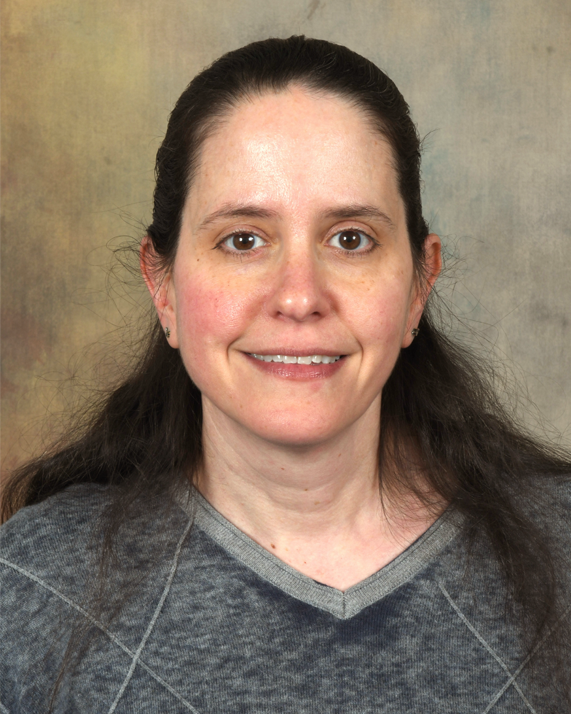
Stephanie Weiss, MD, PhD
Dr. Stephanie Weiss is the Staff Research Physician serving the National Institute on Drug Abuse’s Intramural Research Program. After earning a Ph.D. in pharmaceutical chemistry, Dr. Weiss received her medical degree in 2011. She is board certified in addiction medicine and medical toxicology and participated in the Boston University Research in Addiction Medicine Scholars Program prior to joining NIDA. Dr. Weiss is responsible for providing optimal, safe, and ethical care to study participants and clinical support toward the NIDA IRP mission of conducting inpatient and outpatient proof-of-concept human laboratory therapeutic and imaging studies for addictive disorders. Her research interests include GLP-1RAs, medication misuse, and improving interpretation of urine drug testing.
David H. Epstein, PhD
David H. Epstein, Ph.D., is an Senior Investigator at the NIDA Intramural Research Program in Baltimore. He earned his doctorate in 1998 in the Biopsychology & Behavioral Neuroscience program at Rutgers University, studying both behavioral pharmacology in rats and neuropsychological assessment in humans, and teaching courses on drug use and addiction. Since then, he has overseen clinical trials and natural-history studies in people who use opioids, cocaine, and kratom. His research interests include multilevel modeling of repeated-measures data, using ambulatory technology for assessment and treatment, and integrating social-structural with person-level explanations of behavior.
Learn about how two toxicologists and addiction clinician-researchers are bringing toxicosurveillance into their clinical environment and practice.
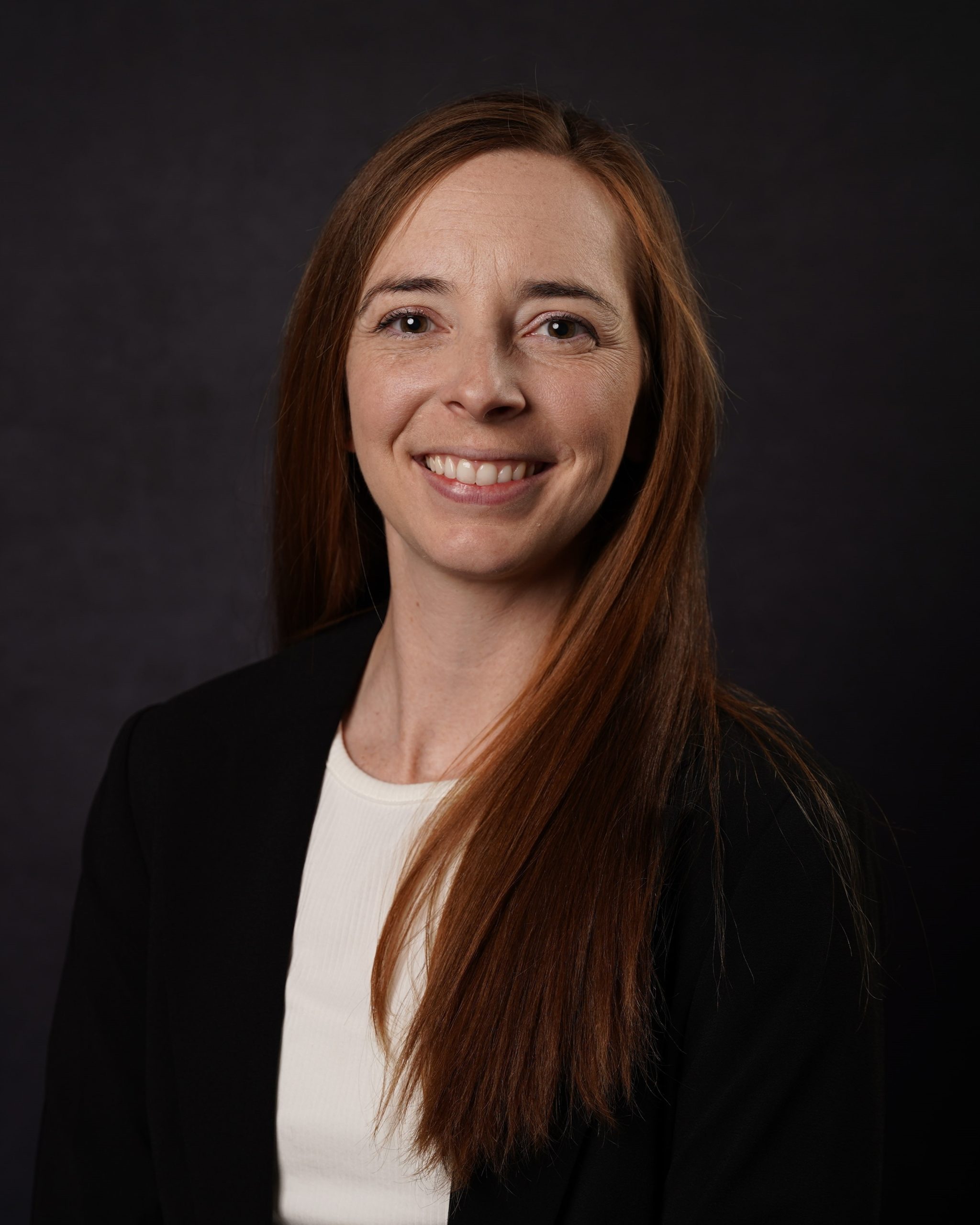
Alexis L. Cates, DO, FACEP
Alexis Cates, DO trained in Emergency Medicine and Medical Toxicology at Einstein Medical Center in Philadelphia, PA. She is currently located at Ochsner Medical Center in New Orleans, LA where she serves as the Emergency Medicine Residency Assistant Program Director and the Resident Medical Toxicology Rotation director. Professionally, she enjoys academics, perinatal toxicology, and health policy. She is the mother of two active boys, and she and her husband enjoy road trips and adventures with the kids.
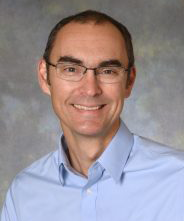
Travis D. Olives, MD, MPH, MEd, FACMT
Travis Olives is a faculty emergency physician and medical toxicology at Hennepin Healthcare, and the associate medical director of the Minnesota Poison Control System. Dr. Olives also directs the combined residency in emergency medicine and internal medicine at Hennepin Healthcare. He holds active research interests in social determinants of health and disparities in poisoning diagnostic and therapeutic modalities, and he serves as the lead in Hennepin Healthcare’s collaboration with both the Minnesota Department of Health in the Minnesota Drug Overdose and Substance Use Surveillance Activity, and with the American College of Medical Toxicology’s FDA ACMT Covid-19 ToxIC Pharmacovigilance Project.
Stimulants have been increasingly implicated in fatal overdoses; however, are they driving fatalities? Learn from a medical examiner and medical toxicologist about stimulant-related deaths and toxicity in the “fourth wave” of the opioid epidemic.

James Gill, MD
James R. Gill MD is the Chief Medical Examiner of Connecticut, past Chair of the Forensic Pathology Committee of the College of American Pathologists (CAP), and a past President of the National Association of Medical Examiners (NAME). He has faculty medical appointments at Yale, University of Connecticut, and Quinnipiac University. He did his pathology training at Yale and Memorial Sloan-Kettering Cancer Center and his forensic pathology fellowship at the New York City Office of Chief Medical Examiner. Prior to Connecticut, he was the Deputy Chief Medical Examiner for Bronx County. He has testified over 450 times in criminal and civil matters in State and Federal courts and has published over 100 scientific articles and book chapters, and two books on a variety of forensic pathology topics. He has particular interests in public health including drug intoxication deaths, infectious disease, fatal complications of therapy, and proper death certification.
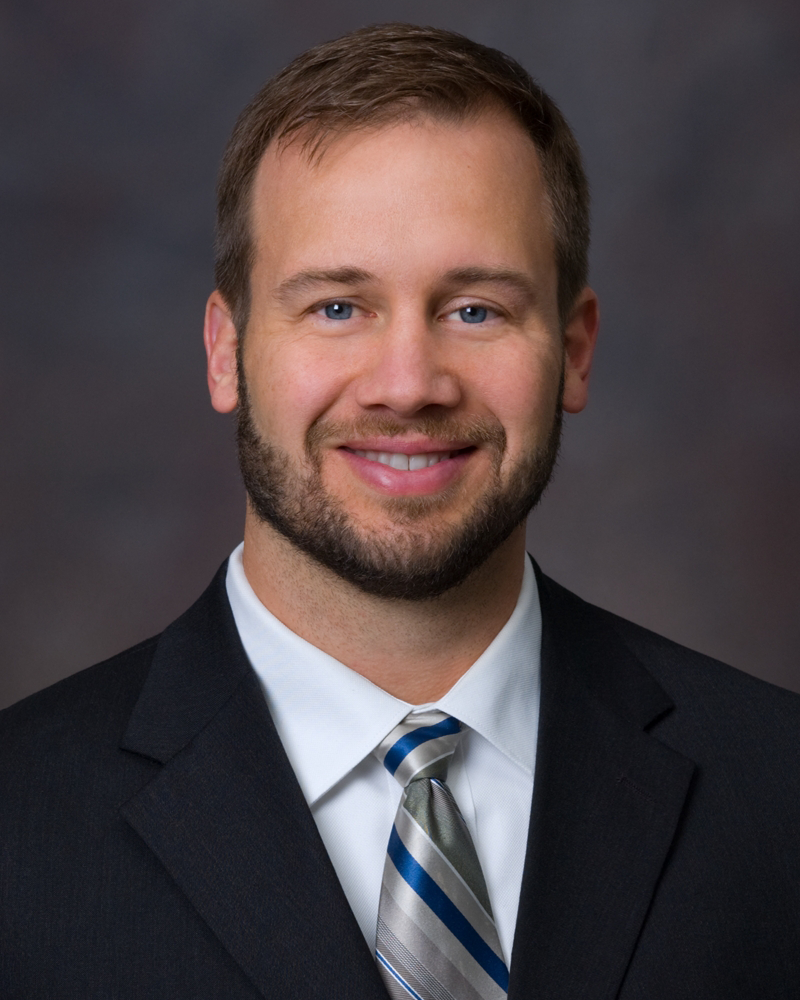
Robert Hendrickson, MD, FACMT
Dr. Rob Hendrickson graduated from the State University of New York, Downstate College of Medicine, and completed training in Emergency Medicine and Medical Toxicology at the Medical College of Pennsylvania. He is a Professor of Emergency Medicine at Oregon Health and Sciences University where he is Chief of the Section of Medical Toxicology, Program Director for the fellowship in medical toxicology, and the Medical Director of the Oregon Poison Center.
Full Agenda
All times listed in local, Eastern Time.
| 8:45 AM – 9:00 AM | Welcome & Opening Remarks | |
| 9:00 AM – 10:00 AM | Donovan Lecture | The Changing Landscape of American Street Drugs This lectureship is supported by the Medical Toxicology Foundation through the Ward and Ryan Donovan Memorial Fund. For more info, please visit: www.acmt.net/donovan-lectureship | Nabarun Dasgupta, PhD, MPH, Senior Scientist, The University of North Carolina at Chapel Hill |
| 10:00 AM – 10:45 AM | Implementation of Drug-Checking Programs in Different Settings | Rachel Wightman, MD, FACMT, Associate Professor of Emergency Medicine and Epidemiology, Brown University Yarelix Estrada, MPH, Drug Checking Manager, NYC Department of Health and Mental Hygiene |
| 10:45 AM – 11:30 AM | The Promise and Perils of Drug Checking: A Debate on Toxico-Surveillance | Moderator: Leslie R. Dye, MD FACMT FASAM, Medical Director, OneFifteen, Clinical Professor, Department of Emergency Medicine, Boonshoft School of Medicine, Wright State University Lewis S Nelson, MD, MBA, FACMT, FASAM, Dean and Chief of Health Affairs, Professor of Emergency Medicine / Medical Toxicology, Schmidt College of Medicine at Florida Atlantic University Jennifer Love, MD, Assistant Professor of Emergency Medicine, The Mount Sinai Hospital |
| 11:30 AM – 1:00 PM | Lunch (90 min) | |
| 1:00 PM – 1:45 PM | Operationalizing Toxicosurveillance for Clinical Care: A Case Study Panel | Moderater: Jeanmarie Perrone, MD, FACMT, Professor of Emergency Medicine, Hospital of the University of Pennsylvania Michael Lynch, MD, FACMT, Medical Director, Pittsburgh Poison Center, University of Pittsburgh Simon Ostrowski, MD, Fellow, University of Pittsburgh Medical Center Axel Adams, MD, Emergency Medicine Physician, Madison Emergency Physicians Alex Krotulski, PhD, Associate Director of Toxicology & Chemistry, The Center for Forensic Science Research and Education, Willow Grove, PA |
| 1:45 PM – 2:30 PM | Toxico-Surveillance via EMS-based data collection (RENDOR) | Alyssa Falise, PhD, MSPH, Research Associate, American College of Medical Toxicology Kim Aldy, DO, MBA, MS, ToxIC Program Director, American College of Medical Toxicology Rachel Culbreth, PhD, MPH, ToxIC Research Director, American College of Medical Toxicology |
| 2:30 PM – 2:45 PM | Break (15 min) | |
| 2:45 PM – 3:15 PM | New Research Methods in Toxicosurveillance | Stephanie Weiss, MD, PhD, Staff Clinician, Translational Addiction Medicine Branch, National Institute on Drug Abuse David H. Epstein, PhD, Senior Investigator, NIDA |
| 3:15 PM – 3:45 PM | Community-Based Toxicosurveillance in Two States: Translating Research into Practice | Alexis L. Cates, DO, FACEP, Emergency Medicine and Medical Toxicology Staff Physician, Assistant Professor of Emergency Medicine – The University of Queensland/Ochsner Clinical School Travis D. Olives, MD, MPH, MEd, FACMT, Emergency Medicine Physician & Associate Medical Director, Hennepin HealthCare & Minnesota Poison Control System |
| 3:45 PM – 4:15 PM | A Rise in Stimulant-Only Deaths? | James Gill, MD, Chief Medical Examiner, Office of the Chief Medical Examiner CT Robert Hendrickson, MD, FACMT, Professor of Emergency Medicine, Medical Director, Program Director, Oregon Health and Science University, Oregon Poison Center, OHSU Fellowship in Medical Toxicology |
| Closing Remarks |